
Choosing a sign company in Destin, FL means evaluating more than the price of a sign. Look for relevant project experience, design and manufacturing capabilities, professional installation services, knowledge of local regulations, and reliable after-sales support. The right signage partner should explain its process, provide examples of previous projects, and offer a clear written quote.
At Vintage Sign & Light, we help businesses throughout Destin and Northwest Florida design, manufacture, install, and maintain commercial signage. We understand that choosing a provider is one of the most important decisions in a signage project. The goal is to find a company that can represent your brand identity, meet your property’s requirements, and provide long-term value.
Quick Summary
- Check experience: Review previous projects similar to your business, sign type, and installation requirements.
- Evaluate production quality: Ask about materials, manufacturing processes, quality control, and production capacity.
- Verify installation expertise: Confirm that the provider understands structural safety, electrical work, and local regulations.
- Compare total value: Review the final price, warranty terms, maintenance options, and ongoing support.
Written by the Vintage Sign & Light Team
Vintage Sign & Light is a veteran-owned, family-operated signage company with more than 50 years of signage expertise. We provide custom sign design, manufacturing, installation, project management, repair, and maintenance for commercial properties throughout Northwest Florida.
What Should You Look for in a Sign Company in Destin, FL?
The right sign company should have the experience, production capability, and technical knowledge needed for your project. It should also communicate clearly, follow applicable regulations, and explain what happens after installation.
Whether you’re opening a storefront, updating an existing sign, or managing multiple commercial properties, we recommend evaluating these areas.
| Evaluation Factor | What to Check | Why It Matters |
| Relevant experience | Similar completed projects and client references | Shows familiarity with your signage needs |
| Design expertise | Customization, branding, readability, and placement | Helps preserve your design intent |
| Manufacturing quality | Materials, fabrication, and quality control | Affects appearance and durability |
| Production capacity | Equipment, scheduling, and project management | Shows whether the company can handle your scope |
| Installation expertise | Structural mounting, electrical work, and safety | Supports proper installation |
| Regulatory knowledge | Local permits, zoning, and applicable codes | Helps avoid compliance problems |
| Total project cost | Detailed pricing and included services | Makes quotes easier to compare |
| Ongoing support | Warranty terms, repairs, and maintenance | Supports long-term sign performance |
A provider may perform well in one area but lack the capabilities needed for more complex installations. The right company is one whose services match both your current needs and potential future signage projects.
1. Review the Company’s Previous Signage Projects
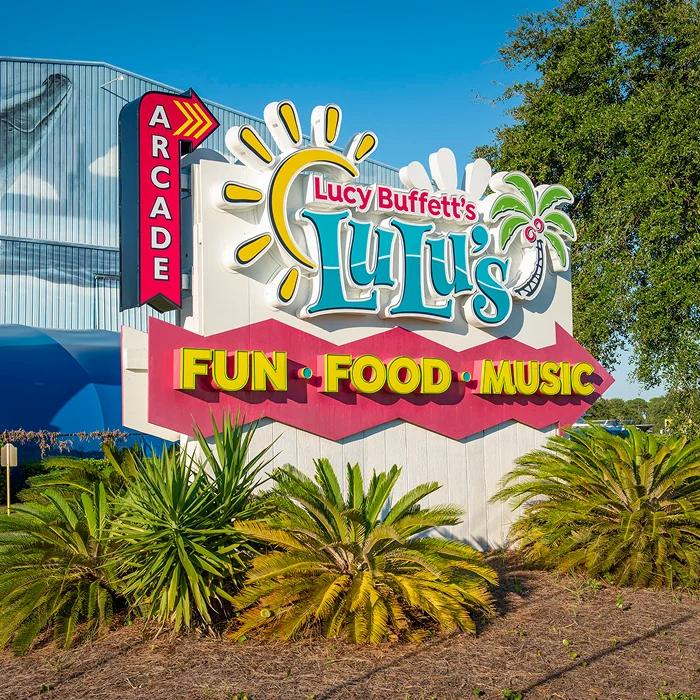
A signage provider’s portfolio is one of the best ways to evaluate its experience. Look for completed projects similar in size, complexity, and industry to yours. For example, a company experienced with interior office graphics may not have the same capabilities needed to manufacture and install a large illuminated pylon sign.
Look for Experience With Your Sign Type
Review examples involving the products your business needs, such as:
- Storefront signs and channel letters.
- Monument and pylon signs.
- Architectural signage.
- Illuminated signs and digital displays.
- Interior identification and directional signs.
- Multi-tenant and multi-location signage projects.
A provider experienced in different commercial projects may be better prepared to address varied design, manufacturing, and installation requirements. At Vintage Sign & Light, our work includes custom commercial signs, architectural letters, channel letters, monument signs, pylon signs, and digital displays.
Examine the Details of Completed Work
Don’t judge a sign only by how it looks from a distance. Review photographs showing the actual workmanship. Pay attention to lettering, finishes, alignment, edge details, and lighting integration.
For exterior signage, ask how the materials and construction address weather exposure. Consider how each sign fits its surrounding architecture. A successful project should reinforce the business’s brand identity while remaining readable and visually appealing.
Check Independent Reviews and Customer References
A proven track record should be supported by more than portfolio images. Read independent customer reviews and look for comments about communication, installation quality, scheduling, and problem-solving.
For larger projects, consider requesting references from customers who commissioned comparable work. Ask whether the company completed the agreed scope, handled changes professionally, and provided support when needed.
2. Evaluate Sign Design and Customization Capabilities
A good signage company should understand how design affects visibility, customer perception, fabrication, and installation. The design needs to communicate your brand while working within the property’s physical and regulatory limits.
Check How the Company Handles Brand Identity
Your signage should reflect your brand’s colors, lettering, proportions, and overall appearance. For businesses with established branding, ask how the provider translates existing standards into physical signage.
Important design considerations include:
- Letter size and readability.
- Brand color accuracy.
- Materials and finishes.
- Illumination and contrast.
- Sign placement and viewing distance.
- Compatibility with building architecture.
For example, a storefront facing a busy road may require larger lettering than one primarily viewed by pedestrians. Good design balances visual appeal with practical visibility.
Ask About Custom Design Options
Different materials and fabrication methods allow companies to create signs with unique sizes, shapes, lighting, and finishes. A capable provider should explain which options suit your project rather than recommending the same product for every location. Our custom sign design services help businesses develop signage around their branding, property conditions, and intended use.
Confirm the Design Approval Process
Before manufacturing begins, ask which drawings and specifications you’ll review. Depending on the project, these may include dimensions, colors, materials, mounting details, and illumination specifications.
Clear drawings help everyone understand the design intent before fabrication. For leased properties, the landlord or property manager may also need to approve the proposed sign.
3. Check Manufacturing Quality and Production Capability
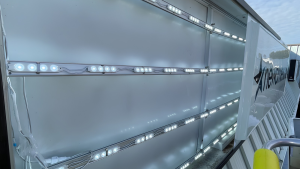
Manufacturing quality affects how a sign looks, how its components fit together, and how it performs over time. When evaluating a signage supplier, ask about its fabrication experience, production equipment, materials, and quality control procedures.
Ask About Materials and Hardware
Different sign types require different materials. Depending on the design, commercial signage may use aluminum, steel, acrylic, polycarbonate, vinyl, or other suitable components. For exterior signs in Destin, material selection should consider sunlight, humidity, wind, rain, and coastal exposure.
A reliable provider should explain:
- Which materials are specified for your sign.
- Why those materials suit the installation.
- What finishes and coatings are included.
- How lighting components are protected.
- Where major materials and hardware are sourced.
Commercial-grade materials can improve durability, but performance also depends on proper design, fabrication, and installation.
Review the Company’s Fabrication Equipment
Modern manufacturing equipment can support accuracy, consistency, and repeatable production. Depending on the products manufactured, a signage company may use CNC routers, precision cutting equipment, forming tools, welding equipment, or specialized printing systems. For example, CNC routing can support consistent cutting of shaped components, while UV flatbed printing may be useful for certain printed sign applications.
However, equipment alone does not prove manufacturing quality. Ask how the provider uses its equipment, checks finished components, and maintains production standards. At Vintage Sign & Light, our sign manufacturing services include channel letter fabrication, sign cabinet manufacturing, monument and pylon sign production, and LED assembly.
Ask About Quality Control
Quality control should occur throughout manufacturing, not only after a sign is finished. A provider should explain how it checks dimensions, finishes, electrical components, and completed assemblies.
Useful questions include:
- Are fabricated components checked against approved drawings?
- How are materials and finishes inspected?
- Are illuminated signs tested before delivery?
- How are manufacturing defects identified and corrected?
- What happens if a component fails to meet specifications?
A competent supplier should document changes, resolve identified issues, and continue production safely when corrections are required.
Evaluate Production Capacity
Production capacity matters for larger signage projects, tight opening schedules, and multiple business locations. Ask whether the company can manage your project’s volume and complexity without compromising quality.
A multi-site rebranding project may involve dozens of signs, coordinated deliveries, and installations across several properties. An individual storefront project may require less capacity but still depend on timely material availability and fabrication scheduling. A reliable provider should set realistic expectations rather than promise a fast turnaround without reviewing the project.
4. Verify Professional Installation Expertise
Installation expertise is essential for structural safety and visual impact. A well-manufactured sign can still perform poorly if its mounting, alignment, or electrical connections are incorrect. Before choosing a provider, confirm that it has experience installing the type of signage your property requires.
Review Structural and Mounting Requirements
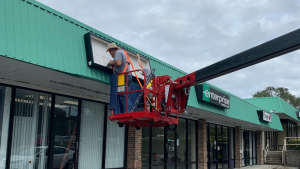
Exterior signs may need specialized mounting systems, engineered supports, foundations, or lifting equipment. The installation approach depends on the sign’s dimensions, weight, location, and supporting structure.
Ask how the company evaluates:
- Building surfaces and mounting conditions.
- Structural support requirements.
- Installation height and equipment access.
- Foundations for freestanding signs.
- Wind exposure and engineering requirements.
- Required inspections and site coordination.
Complex installations may involve engineers, electricians, equipment operators, and other qualified professionals. We provide professional sign installation services for commercial properties throughout Northwest Florida.
Check Electrical Knowledge for Illuminated Signs
Illuminated signs introduce additional technical requirements. Electrical components, connections, and installation methods must meet applicable safety standards and local requirements.
For electric signs, ask whether the equipment has the appropriate safety listing or certification for its intended use. UL 48 is a recognized safety standard for electric signs.
The provider should also explain who handles electrical work and how applicable inspections are coordinated. Do not assume a sign meets all electrical requirements simply because it uses LED lighting.
Ask About Installation Safety
A professional provider should plan how installation work affects the property and surrounding area. This may involve equipment positioning, pedestrian access, traffic control, worksite protection, and coordination with other contractors.
For occupied commercial properties, ask how the installation team will manage the work while limiting unnecessary disruption to customers and employees.
These details are especially important for signs installed above entrances, near sidewalks, or in active parking areas.
5. Confirm Knowledge of Local Sign Regulations
A sign company serving Destin should understand that commercial signage must comply with applicable local regulations. Requirements may affect sign size, height, placement, illumination, structural design, and permitted sign types.
For properties within incorporated Destin, the City of Destin oversees applicable municipal sign regulations. Properties outside city limits may fall under Okaloosa County or another jurisdiction.
Ask About Permits and Zoning
Before approving a design, ask how the company identifies the relevant permitting requirements.
A provider should explain:
- Which jurisdiction governs the property.
- Whether the proposed sign needs a permit.
- Which drawings and documents are required.
- Who prepares and submits the application.
- How requested revisions will be handled.
- Who coordinates required inspections.
The City of Destin’s permit submission guidance explains the local application process. Planning a new sign for your business? Our guide on how to get a business sign in Destin, FL explains the design, permitting, manufacturing, and installation process in greater detail.
Check Other Applicable Signage Standards
Some commercial projects also require interior accessibility signage. Where applicable, the Americans with Disabilities Act (ADA) Standards address tactile characters, braille, mounting locations, and visual contrast.
These requirements do not mean every storefront logo sign needs braille. They apply to particular types of signs covered by accessibility standards. For more information, review the U.S. Access Board’s ADA accessibility standards. A knowledgeable provider should identify which requirements apply to the actual project.
Confirm Property Owner Approvals
Shopping centers, resorts, and multi-tenant properties may have separate sign standards. A landlord may restrict colors, dimensions, sign types, illumination, or mounting methods.
These approvals are separate from government permitting. Before production begins, confirm that the design meets the property’s requirements and has received the necessary approvals.
6. Compare the Full Project Cost, Not Just the Initial Quote
The lowest initial price does not always represent the best long-term value. Two signage companies may quote different prices because they include different materials, manufacturing methods, warranties, or installation services.
Before making a decision, compare the entire project scope.
| Cost Component | What to Check |
| Design | Concepts, revisions, and technical drawings |
| Materials | Types, grades, finishes, and hardware |
| Manufacturing | Fabrication and quality control |
| Electrical components | Lighting, wiring, and related work |
| Permitting | Documentation, coordination, and fees |
| Installation | Labor, equipment, and mounting |
| Site preparation | Foundations, access, or sign removal |
| Warranty | Parts, labor, exclusions, and coverage period |
| Maintenance | Available repairs and ongoing support |
The final price should reflect the services and responsibilities described in the written quote. For example, one vendor may exclude electrical work while another includes it. A lower quote may also omit permit coordination or installation equipment.
Ask whether changes to the approved design or unexpected site conditions could affect pricing. A clear scope makes budget planning more predictable and helps reduce the risk of unexpected expenses.
7. Evaluate Project Management and Scheduling
A successful signage project depends on coordination between design, approvals, production, delivery, and installation. A provider should explain how it manages these stages and communicates progress.
Ask How the Company Manages the Project
During the initial project conversation, find out who coordinates the work and how updates are provided. For larger commercial projects, ask whether the company can manage multiple sign types, locations, or installation teams.
Important questions include:
- Who is the main point of contact?
- How are design changes documented?
- What happens when approvals are delayed?
- How are production and installation schedules coordinated?
- Who handles unexpected problems?
Working with one company for design, manufacturing, and installation can simplify coordination when those services are included in the project scope. At Vintage Sign & Light, our sign project management services support scheduling, approvals, fabrication coordination, and installation planning.
Discuss Timeline Requirements Early
Signage projects may be tied to grand openings, renovations, tenant improvements, or rebranding schedules. Delays can affect how a business presents itself when it opens, even when other construction work is complete.
Ask the company to identify major scheduling dependencies, including design approvals, permit reviews, material availability, manufacturing, electrical preparation, installation access, and inspections. An experienced provider should explain which stages it can control and which depend on outside approvals or site conditions.
8. Review Warranty Terms and After-Sales Support
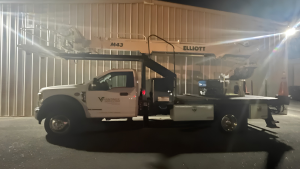
A signage provider’s responsibilities do not necessarily end after installation. Outdoor signs may eventually need lighting repairs, replacement components, cleaning, or maintenance. Before hiring a company, review its warranty terms and available support services.
Understand What the Warranty Covers
A written warranty should identify the coverage period, included components, labor responsibilities, and exclusions.
Ask whether coverage applies to:
- Manufacturing defects.
- Materials and finishes.
- Lighting components.
- Installation workmanship.
- Structural components.
- Technical or electrical issues.
Not every warranty covers all these items. Confirm the actual written terms rather than assuming coverage.
Ask About Ongoing Maintenance
Ongoing maintenance helps businesses identify wear, lighting problems, damaged components, and other service needs. Ask whether the provider offers inspections, repairs, LED conversions, component replacement, and related services. We provide commercial sign maintenance services throughout Northwest Florida.
Consider a Long-Term Partnership
Your signage needs may change as your business grows. You might open another location, update your branding, replace illuminated components, or add directional signage. Choosing a provider familiar with your existing signs can simplify future planning. A reliable long-term partnership depends on consistent workmanship, clear communication, and dependable support rather than the initial installation alone.
9. Choose a Company With Relevant Destin Experience
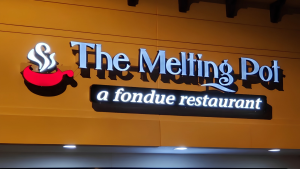
Local experience matters because sign design and installation depend on the property and surrounding environment. Destin includes retail centers, restaurants, resorts, offices, and commercial developments with different signage needs. A storefront near Destin Commons may require a different approach from a business along Harbor Boulevard or a multi-tenant property near Miramar Beach.
The right signage partner should consider:
- Roadside and pedestrian visibility.
- Building layout and sign placement.
- Landlord and development requirements.
- Coastal weather exposure.
- Local permitting and installation conditions.
- Future repairs and maintenance access.
At Vintage Sign & Light, we’re located in Valparaiso, Florida, and serve Destin, Miramar Beach, Fort Walton Beach, Niceville, and surrounding communities. Our team combines custom sign design, manufacturing, engineering coordination, installation, and service support to help clients manage projects from planning through completion.
Questions to Ask Before Choosing a Sign Company
Before selecting a signage supplier, use this checklist to compare providers.
- Can you show previous projects similar to mine?
- What sign types do you design and manufacture?
- How do you check manufacturing quality?
- What materials and electrical components will be used?
- Can your production capacity accommodate my schedule?
- Who handles engineering, permitting, and installation?
- How do you manage changes or unexpected problems?
- What is included in the final price?
- What warranty terms and after-sales support do you offer?
- Can you support future projects or ongoing maintenance?
The answers should help you determine whether the provider has the expertise, resources, and communication process needed for your business.
FAQs
How do I evaluate a signage provider in Destin, FL?
Start by reviewing previous projects, relevant experience, manufacturing quality, installation expertise, local regulatory knowledge, and warranty coverage. Compare written quotes and independent customer feedback to determine which company can manage your requirements.
Should I choose a signage company that handles everything in-house?
Not necessarily. Some companies manufacture and install signs directly, while others coordinate qualified specialists. What matters is clear responsibility for design, production, installation, quality control, and outsourced work.
How can I verify a sign company’s manufacturing quality?
Review completed projects and ask about materials, fabrication equipment, inspection procedures, and quality control. A reliable provider should explain how it checks finished signs against approved specifications.
What should I check before hiring a company for illuminated signs?
Ask about electrical components, applicable safety standards, installation qualifications, and maintenance access. The provider should also explain which electrical work and inspections are required for your project.
Why is after-sales support important for commercial signage?
After-sales support helps businesses address repairs, lighting failures, component replacement, and future improvements. Clear warranty terms and available maintenance services can reduce uncertainty after installation.
Expert Tip
Ask prospective sign companies to provide a breakdown of responsibilities for the entire project. Knowing who handles design approval, fabrication, permitting, electrical work, installation, and warranty service can prevent confusion when several parties are involved.
Find the Right Sign Company for Your Destin Business
Choosing the right sign company means finding a provider that understands your brand, property, budget, and technical requirements. Experience, manufacturing quality, safe installation, and transparent pricing all matter. The best fit is a team that can manage the project and provide support after the sign is installed.
At Vintage Sign & Light, we help businesses throughout Destin and Northwest Florida plan, manufacture, install, and maintain commercial signage. Whether you’re opening a new storefront, replacing an existing sign, or preparing for a larger commercial project, we’re ready to discuss your needs. Explore our sign company services in Destin, FL, or contact our team for a custom signage quote.