

Last updated: September 2026
Commercial sign installation cost in Florida can vary widely based on the sign type, size, mounting location, electrical requirements, equipment needs, permitting, and site conditions. A storefront sign installed at ground level can involve a very different scope than a monument sign, pylon sign, or elevated illuminated sign.
This guide explains the main factors that affect commercial sign installation pricing, the types of costs businesses should plan for, and what to review before requesting an installation quote in Northwest Florida.
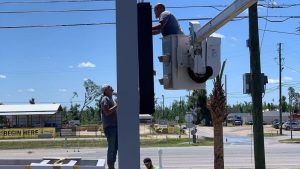
How Much Does Commercial Sign Installation Cost in Florida?
Commercial sign installation costs in Florida can vary widely depending on the sign type, size, mounting location, electrical requirements, equipment needs, permitting, engineering, and site conditions. A simple storefront installation may involve a very different scope than a monument sign, pylon sign, or illuminated digital display.
Other factors can also affect the final price, including installation height, access conditions, structural requirements, removal of existing signage, and the need for lifts, cranes, or other specialized equipment. Outdoor exposure and project-specific wind requirements may also influence the structural, mounting, material, and installation scope.
For the most accurate estimate, businesses should have the property, sign type, installation conditions, and project requirements reviewed before budgeting for the work. You can learn more about VSL’s commercial sign installation services or request project-specific pricing.
Business Sign Installation Cost
Different business signs involve different materials, installation methods, equipment, electrical requirements, and site conditions. Below is a breakdown of common commercial sign types and the factors that can affect the overall project cost. Businesses can contact Vintage Sign & Light for pricing based on the specific property and project scope.
Channel Letter Signs
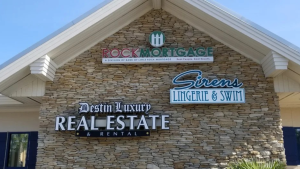
Channel letter signs are a popular choice for storefront signs because they offer strong brand visibility and a modern appearance. Made with aluminum returns, acrylic faces, and LED lighting, they work well for retail stores, restaurants, and professional offices.
Several cost factors influence pricing, including whether the letters are individually mounted or placed on a raceway, the design complexity, and any custom features. Electrical components, high-wind engineering requirements, and the need for bucket trucks at taller mounting heights also affect the cost. Depending on the property and jurisdiction, channel letter projects may involve sign permits, electrical requirements, landlord criteria, or inspections.
Cabinet Signs / Lightbox Signs
Cabinet signs use an enclosed sign cabinet with one or more sign faces and may be internally illuminated. Cost can vary based on cabinet size, face materials, lighting components, mounting method, electrical requirements, and installation access.
Monument Signs
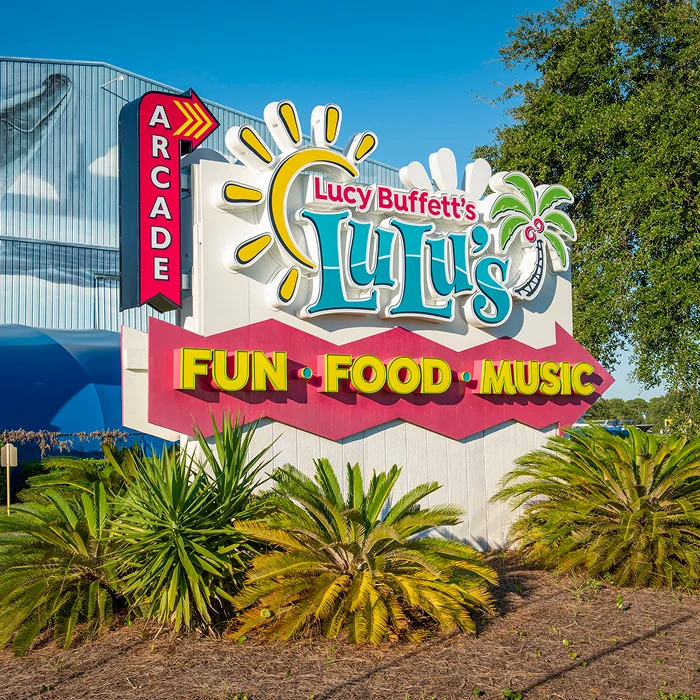
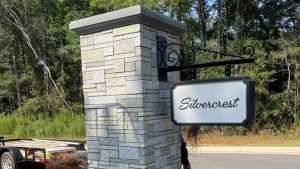
Monument signs sit at ground level and help identify businesses and commercial properties from the roadway. Project costs can vary based on size, materials, design complexity, supporting structure, foundation requirements, excavation, electrical work, digital-display components, engineering, permitting, site access, and installation equipment.
Pylon Signs / Pole Signs
Pylon signs, also known as pole signs, are large elevated signs supported by one or two steel poles. They are often used by gas stations, hotels, and shopping centers because they provide long-distance visibility. Pylon sign projects can vary substantially in cost based on height, sign size, structural requirements, foundation work, illumination, digital-display components, engineering, permitting, site access, and installation equipment.
Higher costs come from complex installation, engineering requirements, and the need for specialized equipment such as cranes. Illuminated cabinets or digital displays also increase the price, along with permit and inspection fees. Because of their height, structural scope, foundations, and equipment requirements, pylon-sign installations often involve specialized equipment and experienced commercial sign installers.
Digital Signs / LED Signs
Digital signs and LED signs provide dynamic visuals that work well for schools, churches, shopping plazas, and retail businesses. Costs vary based on pixel pitch, the type of digital displays used, and whether the sign is standalone or added to an existing structure. Electrical needs, software integration, and weather-resistant housing also affect the price. Digital displays allow businesses to update messages electronically without replacing the sign face for each message change.
Storefront Signs & Acrylic Signs
Acrylic signs, vinyl lettering, and other storefront signs offer a clean, modern look at a budget-friendly price. Cost can vary based on the material, sign size, mounting method, installation height, access, and whether additional graphics or electrical components are included.
Awning Signs
Awning signs provide shade, visibility, and branding in a single structure, making them a popular choice for storefronts. Costs vary based on whether the awning uses fabric or an aluminum frame, the type of printed graphics, and whether LED illumination is included. The square footage size and potential replacement costs for fabric also influence the final price.
Temporary Signs & Yard Signs
Temporary-sign requirements vary by jurisdiction, property, sign type, size, placement, and duration. Businesses should confirm applicable property and local requirements before installation.
What Affects the Overall Cost of Commercial Sign Installation?
Commercial sign installation involves more than putting a sign on a wall. All the factors listed below influence the final price and the level of professional installation needed.
- Sign Size and Weight: Large signs require more materials, stronger mounting hardware, and often cranes or bucket trucks for installation.
- Sign Type: A simple vinyl sign differs greatly from channel letter signs, aluminum signs, or illuminated digital signs. Each sign type has unique installation requirements.
- Materials Used: Material selection may also depend on the installation location and expected outdoor exposure.
- Design Complexity: Intricate designs, custom features, and complex installation methods add labor and time. This includes signs with multiple layers, curved surfaces, or custom shapes.
- Installation Height & Location: Higher installations (second story, rooftops, poles) require specialized equipment and additional labor.
- Electrical Components: Illuminated signs require wiring, transformers, LED drivers, and safe placement of electrical components. Illuminated signs may involve electrical requirements, coordination, and inspection depending on the project.
- Permit Requirements: Permit and review requirements depend on the local jurisdiction and project scope.
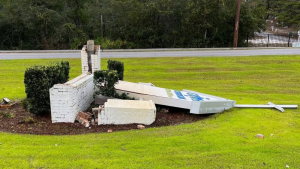
- Wind Design and Site Exposure: Florida’s current building code references ASCE 7-22 for wind-load criteria. The applicable design requirements vary by project location, structure, risk category, exposure, and other site conditions. In Northwest Florida, those requirements should be determined for the specific project rather than relying on a single statewide wind-speed number.
Sign Permits and Engineering Can Affect Installation Cost
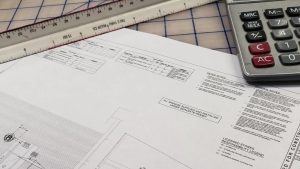
Permit and engineering requirements vary by jurisdiction, sign type, property, mounting method, electrical scope, and project conditions. A permanent sign may require a sign permit, building review, electrical review, engineered drawings, or inspections depending on the local requirements and approved scope.
Permit fees, review costs, and engineering expenses also vary by jurisdiction, so they should be confirmed for the specific property rather than estimated using one statewide fee range. Vintage Sign & Light assists with applicable permitting and coordinates engineering requirements as part of the project when needed.
Additional Costs That May Affect the Project
Some installations require additional fees based on unforeseen conditions:
- Electrical upgrades
- Wall repair or reinforcement
- Old sign removal
- New foundations for pole signs
- Custom fabrication for large signs
- Additional labor for confined spaces
- Project-specific structural or anchoring requirements
Identifying these conditions during planning helps create a more accurate project scope and budget.
How Long Does Commercial Sign Installation Take?
A typical installation includes five main steps:
- On-Site Assessment: Measurements, photos, and evaluation of mounting surfaces.
- Engineering & Permits: Depending on the sign, property, jurisdiction, electrical scope, and mounting conditions, the project may require permits, engineering, landlord approval, or other reviews.
- Fabrication: Creating the new sign using high-quality materials and custom graphics.
- Installation Day: Involves professional installation with bucket trucks, lifts, and specialized equipment.
- Final Setup and Applicable Inspections: The team completes project-specific setup and coordinates any required inspections or approvals.
Why Professional Sign Installation Matters in Florida
Commercial sign installation can involve mounting systems, structural conditions, electrical components, lifts or cranes, property access, approved plans, permitting, and coordination with other contractors. In Florida, project-specific wind criteria and outdoor exposure can also affect the installation requirements.
An experienced commercial sign installer can help coordinate these factors so the sign is installed according to the approved project scope and applicable requirements.
Commercial Sign Installation Across Northwest Florida
Vintage Sign & Light is based in Valparaiso and provides commercial sign installation throughout Northwest Florida, including communities across Okaloosa, Walton, Santa Rosa, Escambia, Bay, Holmes, Jackson, and Washington counties. Visit our Northwest Florida service area page to explore the communities we serve. Need help planning the installation? Learn more about our commercial sign installation services in Northwest Florida.
Plan Your Commercial Sign Installation Budget
Commercial sign installation costs vary because no two signs or properties have exactly the same requirements. Sign type, dimensions, mounting conditions, access, electrical work, equipment, permitting, engineering, removal work, and site conditions can all affect the final scope.
Vintage Sign & Light provides commercial sign installation throughout Northwest Florida. If you’re planning a new sign or replacing existing signage, our team can review the property, sign type, installation conditions, and project requirements to prepare budget pricing.
FAQs
What makes sign installation more expensive?
Height, difficult access, heavy signs, cranes or lifts, electrical work, foundations, removal of existing signs, engineering, permits, and site conditions can all increase the installation scope.
Does a commercial sign need a permit in Florida?
Requirements vary by jurisdiction and project. Permanent, illuminated, freestanding, or structurally mounted signs may involve sign, building, electrical, engineering, or inspection requirements depending on the local authority and approved scope.
Is the sign itself included in the installation price?
It depends on the quote. Ask whether the estimate includes design, fabrication, permitting, engineering, removal, electrical work, installation equipment, installation labor, and final setup.
Can Vintage Sign & Light install an existing sign?
Depending on the sign, property, plans, condition, access, and project requirements, VSL can review an existing sign or externally produced sign to determine the appropriate installation scope.