

Modern monument signs combine clean architectural forms, durable materials, readable lettering, and thoughtful illumination to create a distinctive entrance for a business or property. Popular designs include minimalist metal signs, architectural masonry structures, dimensional lettering, and digital monument displays. The right combination depends on the property, brand, and viewing conditions.
For businesses in Northwest Florida, monument sign design must also account for outdoor exposure, placement, landscaping, and local requirements. This guide explores ten modern monument sign ideas, compares materials and lighting options, and explains how to choose a design that works for your property.
What Is a Modern Monument Sign?
A modern monument sign is a freestanding, ground-level sign typically installed near a business entrance, driveway, or roadway. It identifies a property while incorporating contemporary architectural elements such as clean lines, dimensional lettering, fabricated metal, integrated illumination, or digital displays.
Unlike elevated pylon signs, monument signs generally sit closer to the ground and often feature a solid base or architectural structure. Their design can complement the building, landscaping, and overall character of the property.
Modern monument signs commonly emphasize:
- Simple architectural shapes and balanced proportions
- Readable lettering and strong color contrast
- Durable materials suited to outdoor conditions
- Lighting that supports nighttime visibility
- Consistent branding and property identification
A successful design brings these elements together without overcrowding the sign face.
10 Modern Monument Sign Design Ideas
Modern monument signs can take many forms. The best style depends on the property type, available space, architectural character, and how approaching visitors will see the sign.
1. Minimalist Monument Signs
Minimalist monument signs use simple geometric shapes, limited colors, and clean typography. Instead of relying on decorative details, they emphasize the business name or logo. These designs work particularly well for professional offices, medical facilities, financial institutions, and contemporary retail properties.
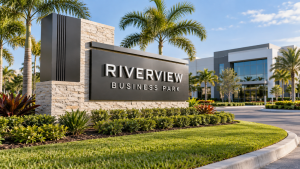
A minimalist sign may feature a smooth aluminum panel, dimensional letters, and a low-profile base. Strong contrast helps the message remain legible from the roadway. The goal is to make the business easy to identify without unnecessary visual clutter.

2. Architectural Stone and Masonry Monument Signs
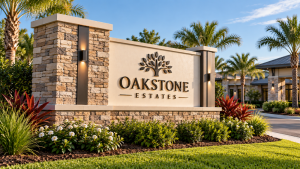
Architectural monument signs incorporate materials and finishes that complement the surrounding property. Stone, brick, concrete, and stucco can provide a substantial base, while modern lettering and metal accents create a more contemporary appearance. These signs are common at community entrances, schools, offices, and hospitality properties.
Natural-looking stone textures can add architectural character, while smooth panels and clean proportions keep the overall design modern. For a cohesive result, the monument’s materials, colors, and proportions should relate to the building rather than compete with it.
3. Modern Metal and Aluminum Monument Signs
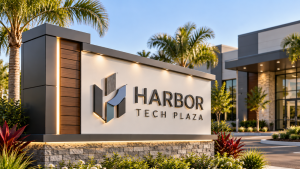
Fabricated metal allows designers to create sharp edges, smooth surfaces, geometric panels, and custom architectural details. Aluminum is often used for commercial monument signs because it can be fabricated into different shapes and finished with protective coatings.
Modern metal signs may incorporate:
- Powder-coated aluminum panels
- Dimensional metal letters
- Contrasting sign faces
- Decorative trim and architectural accents
- Integrated lighting components
Metal monument signs work well for businesses seeking a clean, contemporary appearance. The final construction and finish should be selected based on the site’s exposure, structural requirements, and maintenance expectations.
4. Coastal-Inspired Monument Sign Designs
Coastal businesses often prefer signage that complements the surrounding architecture and landscape. For properties along Florida’s Gulf Coast, light-colored masonry, neutral finishes, fabricated metal, and subtle illumination can create a clean appearance without relying on elaborate decorative elements.
Coastal monument signs may suit:
- Hotels and resorts
- Restaurants
- Marinas
- Residential communities
- Retail developments
- Professional offices
Material selection is particularly important in coastal environments. Salt exposure, humidity, wind-driven rain, and intense sunlight can affect finishes, fasteners, electrical components, and other exterior elements. The design should balance its visual character with appropriate material specifications and practical maintenance needs.
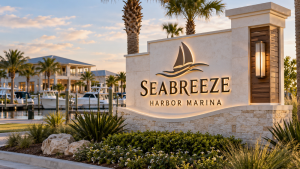
5. Monument Signs With Dimensional Letters and Logos
Dimensional lettering adds depth to a monument sign by raising letters or logos from the sign surface. These elements can be fabricated from aluminum, acrylic, or other materials, depending on the desired appearance and construction.
Dimensional letters create subtle shadows during the day and can be combined with illumination for nighttime visibility. This approach works especially well when the business has a recognizable logo or a short, distinctive name. Letter depth, spacing, mounting, and contrast all contribute to the finished appearance.
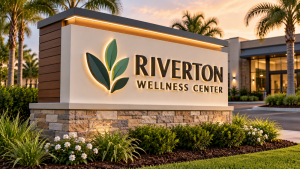
6. Halo-Lit and Illuminated Monument Signs
Illumination allows businesses to maintain visibility after sunset while adding another design element to the monument. Common lighting approaches include halo-lit letters, internally illuminated components, and external ground lighting.
Halo lighting creates a glow around or behind dimensional letters. Internal illumination lights a sign face or individual components, while ground-mounted fixtures illuminate architectural surfaces. The right lighting method depends on the sign materials, electrical availability, viewing distance, desired appearance, and local requirements. Illumination should be planned early so the sign’s structure, lettering, wiring, and lighting work together.
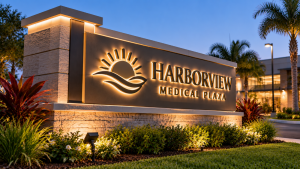
7. Modern Monument Signs With Digital Displays
Digital monument signs combine a permanent architectural structure with an electronic display for changing messages. These signs can be useful for organizations that regularly communicate announcements, schedules, or event information. Common applications include schools, churches, shopping centers, municipalities, and event venues.
A well-designed digital monument sign should balance the electronic display with the surrounding architectural elements. Important considerations include display size, viewing distance, message needs, pixel pitch, electrical infrastructure, and local sign regulations. Businesses considering this type of system can explore VSL’s digital display solutions to discuss available options.
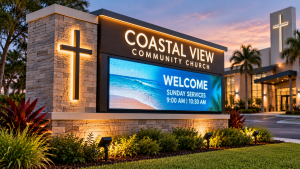
8. Multi-Tenant Monument Signs
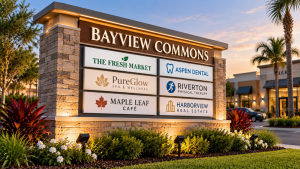
Shopping centers, office parks, and mixed-use developments often need one sign to identify several businesses. A modern multi-tenant monument sign creates a clear hierarchy between the development name and its tenant panels. The design should keep each business readable without making the structure look overcrowded.
For properties where tenants may change, replaceable panels or modular components can make future updates more practical. The monument should also have enough space for each business name to remain legible from the intended viewing distance.
9. Modern Community Entrance Signs
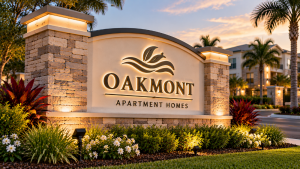
Apartment communities, residential developments, and private neighborhoods often use monument signs to establish a recognizable entrance. A modern community sign may incorporate masonry, dimensional lettering, a custom logo, architectural lighting, and landscaping.
The design should complement the development’s buildings, landscaping, and entrance features. For properties with multiple entrances, consistent signage can help visitors recognize the community while supporting a coordinated appearance. Learn more about planning monument signs for apartment communities.
10. Custom-Shaped Monument Signs
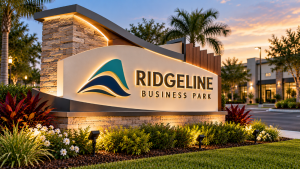
Not every monument sign needs a rectangular structure. Custom-shaped monument signs can incorporate angled panels, asymmetrical forms, curved surfaces, layered sections, or architectural features that reflect the building’s design. This approach may be useful for businesses seeking a distinctive entrance or developments with recognizable architectural features.
However, custom shapes should still support readability, structural integrity, and practical fabrication. A visually interesting structure should not make the business name harder to recognize.
How to Choose the Right Monument Sign Design
The right monument sign should complement the property while remaining readable and practical for its intended location. Before selecting a design, consider the property’s architecture, surrounding landscape, business identity, and how visitors approach the entrance.
| Design style | Common applications | Main consideration |
| Minimalist metal | Offices, retail, modern buildings | Contrast and letter visibility |
| Stone or masonry | Communities, schools, hospitality | Architectural integration |
| Coastal-inspired | Marinas, resorts, coastal properties | Material and finish suitability |
| Illuminated | Businesses needing nighttime identification | Electrical access and lighting |
| Digital display | Schools, churches, event venues | Message needs and regulations |
| Multi-tenant | Shopping centers, business parks | Tenant hierarchy and updates |
A medical facility may benefit from a simple architectural monument with clear lettering and directional information. A shopping center may need a larger structure with multiple tenant panels. The best design solves the property’s identification needs rather than following a trend for appearance alone.
Best Materials for Modern Monument Signs in Florida
Material selection influences appearance, fabrication, maintenance, and long-term performance. Florida’s climate introduces exposure to sunlight, humidity, heavy rain, wind, and, in coastal areas, salt-laden air. These conditions should be considered when specifying exterior finishes and structural components.
| Material | Common use | Considerations |
| Aluminum | Panels, cabinets, dimensional elements | Finish durability and fabrication |
| Stone | Architectural bases and columns | Weight, structure, and maintenance |
| Brick | Community and commercial entrances | Architectural compatibility |
| Concrete | Foundations and structural elements | Engineering and site requirements |
| Acrylic | Illuminated faces and lettering | UV exposure and component suitability |
| Stucco finishes | Architectural structures | Substrate, moisture, and finish maintenance |
Combining Materials for a Modern Appearance
Modern monument signs often use more than one material. For example, a masonry base can support a smooth aluminum sign panel with dimensional lettering. Metal trim can introduce a contemporary detail, while lighting emphasizes the sign’s architecture after dark. The combination should remain balanced. Too many materials or finishes can distract from the primary message and make the sign more complicated to maintain.
How Much Does a Modern Monument Sign Cost?
The cost of a modern monument sign depends on its dimensions, materials, construction, illumination, site conditions, and installation requirements. A simple fabricated monument sign and a large masonry structure with illuminated lettering involve different levels of materials, labor, foundations, and electrical work.
The following factors commonly affect pricing:
- Size and construction: Larger structures may require additional materials, foundations, and structural support.
- Materials and finishes: Metal panels, masonry, architectural features, and specialty finishes affect fabrication.
- Lettering and illumination: Dimensional letters, logos, and lighting systems add components and installation requirements.
- Site conditions: Access, utilities, grading, and existing structures may influence installation.
- Permits and engineering: Local review and project-specific requirements can affect the overall scope.
- Digital displays: Electronic messaging systems introduce additional equipment and electrical considerations.
Because these variables differ considerably between properties, a site-specific estimate is more useful than treating one price range as applicable to every monument sign. Businesses can contact Vintage Sign & Light to discuss the intended design, location, and project requirements before requesting a detailed estimate.
Planning, Permits, and Installation in Florida
A monument sign project involves more than selecting a style. The property, local regulations, structural requirements, electrical needs, and installation conditions all influence the final solution.
Site Survey and Placement
A site survey helps determine where a monument sign can be installed and how it will be viewed.
Important factors include:
- Direction of approaching traffic
- Viewing distance and sightlines
- Existing landscaping
- Driveways and property entrances
- Utilities and underground conditions
- Property boundaries and setbacks
- Available installation access
The sign should remain visible without obstructing safe movement around driveways, intersections, or pedestrian areas.
Local Permits and Approvals
Sign requirements vary between Florida jurisdictions. Depending on the location and project, regulations may address sign height, area, setbacks, illumination, electrical work, and structural construction.
Some properties may also require approval from landlords, property managers, developers, or architectural review committees. Discussing these requirements before fabrication can help reduce unnecessary revisions and scheduling complications.
Fabrication and Installation
Once the design and applicable approvals are finalized, the project moves into fabrication. Construction may involve a combination of metal components, masonry, dimensional letters, sign panels, illumination, and structural elements.
Installation planning depends on the finished sign’s size, construction, foundation, electrical needs, and site accessibility. Vintage Sign & Light provides commercial sign installation as part of its custom signage services.
Modern Monument Sign Projects in Northwest Florida
Actual completed signage projects are valuable references because they demonstrate how design decisions work in real environments. Vintage Sign & Light has experience with monument signage for commercial properties, communities, medical facilities, and other businesses throughout Northwest Florida.
When reviewing examples, look beyond the finished appearance and consider the sign’s readability, placement, materials, lighting, and relationship to the property.
Iron Rock Community Monument Sign
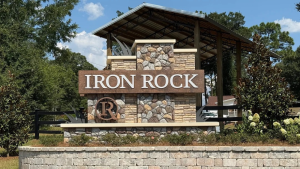
The Iron Rock entrance sign in Cantonment, Florida, demonstrates how stone and architectural elements can establish a recognizable community entrance. Its substantial construction and distinctive lettering provide an example of how traditional materials can be incorporated into a modern monument sign design.
Primary Care South Monument Sign
Medical properties often need clear identification that visitors can recognize quickly. The Primary Care South monument sign in Santa Rosa Beach provides a relevant example for businesses considering signage for healthcare and professional properties.

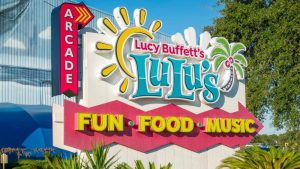
Lucy Buffett’s LuLu’s Monument Sign
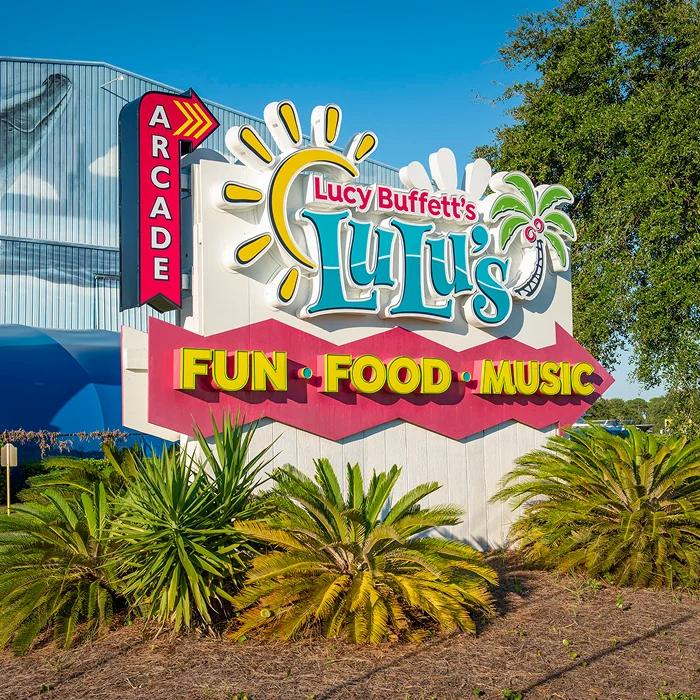
Hospitality properties can use custom monument signs to reinforce their recognizable branding while identifying the location for arriving visitors. The LuLu’s project offers another example of the importance of matching the sign’s design to the business and surrounding environment. These project descriptions should be paired with authentic VSL photographs rather than the conceptual images used elsewhere in this article.
Maintaining a Modern Monument Sign
Regular inspection helps businesses identify wear, damage, or visibility issues before they become more disruptive. Maintenance needs vary according to the materials, finishes, illumination, landscaping, and outdoor exposure. Common tasks include cleaning sign faces, removing vegetation that blocks visibility, inspecting lettering and panels, checking illuminated components, and addressing damaged finishes.
Multi-tenant properties should also keep business names and panels current. Some monument signs can be updated without replacing the entire structure. Depending on their condition, improvements may include new lettering, tenant panels, illumination, or refinishing. VSL offers sign maintenance and repair services for commercial signage.
FAQs
What makes a monument sign modern?
Modern monument signs generally feature clean architectural shapes, readable typography, balanced proportions, and materials such as fabricated metal, stone, concrete, or acrylic. Lighting and dimensional lettering can also create a contemporary appearance.
Are monument signs good for small businesses?
Yes. Monument signs can work for small businesses when the property has appropriate space and local regulations permit the installation. A compact design with clear lettering can provide recognizable identification without requiring a large structure.
Can modern monument signs be illuminated?
Yes. Monument signs can incorporate halo-lit lettering, internally illuminated components, external lighting, or digital displays. The appropriate option depends on the sign construction, electrical access, visibility requirements, and local regulations.
Do monument signs require permits in Florida?
Many permanent monument sign projects require local review or permitting, but exact requirements vary by jurisdiction and property. Height, size, setbacks, structural design, electrical work, and illumination may affect the approval process.
How long does a modern monument sign last?
A monument sign’s service life depends on its materials, construction, outdoor exposure, finishes, and maintenance. Lighting components, lettering, panels, and finishes may require service or replacement before the main structure reaches the end of its useful life.
Can an existing monument sign be modernized?
Yes. Depending on its structural condition and project requirements, an existing monument sign may be updated with new faces, dimensional lettering, illumination, tenant panels, or architectural finishes. An inspection can help determine whether refurbishment or replacement is more appropriate.
Plan Your Modern Monument Sign With Vintage Sign & Light
Modern monument signs do more than identify a business. They help establish a recognizable entrance, reinforce branding, and guide visitors toward the property. The most effective designs combine suitable materials, clear lettering, thoughtful lighting, and practical placement.
Vintage Sign & Light designs, fabricates, installs, and services custom commercial signage throughout Northwest Florida. Whether you’re planning a new monument sign or updating an existing structure, our team can help review the property, design goals, and project requirements. Contact Vintage Sign & Light to discuss your signage needs and request a quote.