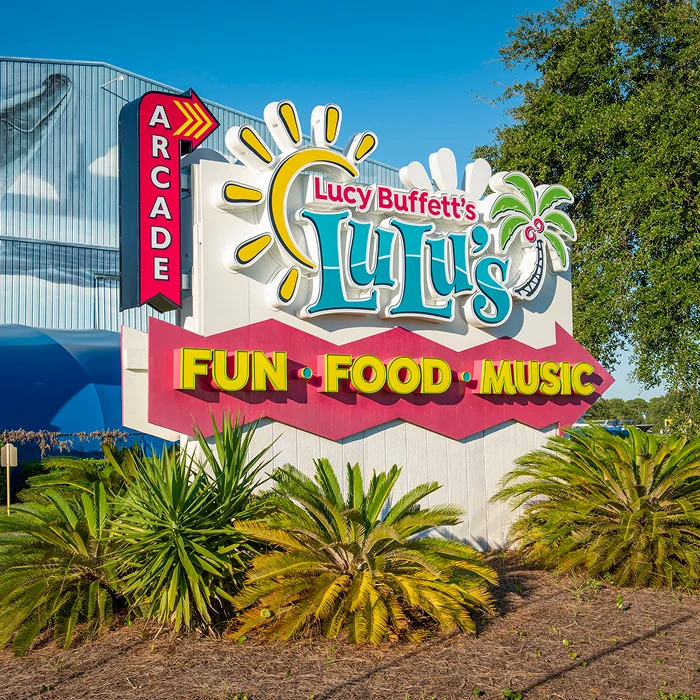


The best sign placement for your building depends on how customers approach your property, where they need direction, and what local rules allow. A sign should be visible from the right distance, readable from the right angle, and positioned where it helps people find your business.
Good sign placement makes your building easier to notice, easier to enter, and easier to remember. Before you install a sign, review traffic patterns, viewing distance, obstructions, lighting, code limits, and installation access.
Quick Summary
- Sign placement should follow how customers move from the street to your door.
- Visibility depends on distance, speed, angle, letter height, contrast, and lighting.
- Local placement rules, right-of-way limits, and landlord requirements can affect where signs go.
- The right location can improve readability, reduce visual clutter, and support your brand.
Written by The Vintage Multimedia Team
Vintage Sign & Light helps businesses, contractors, property teams, franchises, and commercial clients across Northwest Florida plan, permit, fabricate, install, repair, and maintain exterior signage.
The team works with channel letters, monument signs, pylon signs, Watchfire digital displays, wall signs, directional signs, parking lot signs, and larger commercial signage packages. This project experience helps the team evaluate traffic direction, building layout, mounting conditions, lighting, installation access, and local placement requirements.

How Do You Choose the Best Sign Placement for Your Building?
Start by looking at your building from the same route customers use. A sign should appear before people feel unsure about where to turn, park, walk, or enter.
Next, determine what the sign needs to do. One sign may identify the business from the street, while other signs guide customers through the parking lot, sidewalk, or entrance.
What Should Your Sign Help Customers Do?
A sign should solve a real visibility or direction problem. It may help drivers notice the business, guide visitors to the door, or mark the correct tenant space.
For small businesses, proper placement can make a noticeable difference. A sign positioned in the right location can support foot traffic, brand recognition, and customer confidence before entry.
Match the Message to the Location
A street-facing sign should communicate the business name quickly. A directional sign should use clear arrows and simple wording.
Signs near the door can include hours, entry details, or QR codes when helpful.
How Do Customers Approach and See Your Building?
The best sign placement follows the route customers use before reaching the property. Review the building from each traffic direction, driveway, parking area, sidewalk, and entrance. Place the sign where people can identify the business or receive direction before they need to turn, park, or select an entrance.
Follow the Customer’s Route
A sign facing the front door may not work if most drivers first see a corner, side wall, or roadside entrance. Walk or drive each major approach and note where a first-time visitor begins looking for the business name or entry guidance.
Check Distance, Angle, and Obstructions
Check whether parked vehicles, trees, poles, awnings, landscaping, or neighboring signs may block the proposed location. Review the sign from each customer approach rather than judging visibility only from directly in front of the building.
Review the proposed position during busy periods and after dark when possible. A location that looks open during a quiet daytime visit may become harder to see when the parking lot fills or surrounding businesses illuminate their signs.
Use More Than One Sign When Needed
One sign may identify the property from the road, while another confirms the storefront or directs visitors through the parking lot. A coordinated sign plan is often clearer than expecting one sign to serve the road, parking area, sidewalk, and entrance.

How Does Viewing Distance Affect Sign Placement?
According to the Sign Research Foundation’s guidance on sign legibility and visibility, letter size, contrast, placement, sign height, traffic conditions, viewing angle, and surrounding visual clutter can affect how quickly people notice and read a sign. Signs viewed from moving vehicles may need larger letters, stronger contrast, and a clearer sight line than signs intended for pedestrians.
Pedestrian signs can sit closer to eye level. Building-mounted signs for drivers often need more height, better angle, and enough open sight line.
| Viewing Situation | Placement Priority |
| High-traffic roads | Larger letters, strong contrast, and clear road-facing angle |
| Sidewalk traffic | Eye-level placement and simple message |
| Parking lot | Directional arrows and visible entry guidance |
| Building entrance | Brand sign, hours, and door information |
| Corner location | Signage visible from more than one direction |
How Does Building Design Affect Sign Placement?
Building architecture can limit or support sign placement. Wall height, fascia space, windows, corners, columns, awnings, and materials all matter.
A large logo may look perfect in a design file but not fit the available wall area. The mounting surface must also support the sign safely.
Review the Wall Before Designing
Brick, stucco, metal panels, and concrete can affect installation. Electrical access can also shape placement. A site review helps prevent redesign later.

What Sign Type Works Best for Each Placement?
Different sign types work better in different locations. Channel letters often fit storefronts, while monument signs and pylon signs help with roadside visibility.
Directional signs work well inside parking lots. Window graphics support doors, hours, and short messages for nearby customers.
| Placement Area | Sign Types That May Work |
| Building front | Channel letters, cabinet signs, wall signs |
| Roadside entrance | Monument signs, pylon signs, digital displays |
| Parking lot | Directional signs, pickup signs, tenant signs |
| Sidewalk | A-frame signs, temporary event signs |
| Windows and doors | Vinyl graphics, hours, decals |
How Do Local Sign Codes Affect Placement?
Signs near roads, sidewalks, property lines, or public rights-of-way may be subject to local setback, permitting, and placement rules. Review the applicable city or county sign code before fabrication or installation, and confirm whether the property owner, landlord, or governing authority must approve the location.
The federal MUTCD establishes standards for traffic control devices, but ordinary exterior business signs are generally governed by applicable local sign codes, property rules, and permitting requirements. Additional requirements may apply when a proposed sign affects a public right-of-way or traffic-control area.
A sign may look ideal in one location but still violate local rules. Always review placement rules before production, construction, or installation.
Get Permission Before Installing
Some properties need landlord or property manager approval. Public areas may also have strict limits. Do not place a sign within a public right-of-way unless the location and sign have been authorized by the agency with jurisdiction.
How Does Lighting Change Sign Placement?
Lighting affects both daytime and nighttime visibility. A sign can be large but still hard to read if shadows, glare, or poor contrast affect the view.
Illuminated signs need access to power and safe installation points. The final position should balance visibility, electrical access, and code requirements.
Think About Nighttime Sight Lines
Check the sign location after dark when possible. Drivers and pedestrians see signs differently at night. High contrast can improve readability in low light.

Why Does Installation Access Matter?
A sign must be visible, but it also must be installed safely. Placement can affect lift access, crane needs, traffic control, electrical routing, and future maintenance.
If the installation team cannot reach the wall or ground area safely, the project may need a different approach. Service access also matters after installation.
Plan for Maintenance From the Start
LED service, cleaning, repainting, and inspections may be needed later. Hard-to-reach signs can cost more to maintain. Smart placement supports long-term care.

How Should Multi-Tenant Buildings Plan Sign Placement?
Multi-tenant buildings need clear sign placement because several businesses may share one property. Without a plan, signage can become crowded and confusing.
A retail plaza may need tenant panels, storefront signs, directional signs, and parking lot signs. Consistent spacing, letter height, and sign counts help reduce visual clutter.
Keep Tenant Signs Organized
Each tenant needs visibility, but the property should still look professional. Brand consistency matters in shared spaces. A sign plan helps balance both needs.
How Does Sign Placement Support Brand Visibility?
Sign placement affects how people experience your brand. The International Sign Association explains that an on-premise sign can identify a business, mark its location, communicate its image, and support brand recognition. Its guidance on sign placement also notes that signs should be positioned where approaching drivers and pedestrians have enough time to notice and read them.
Poor placement can weaken even a strong sign design. If customers cannot see the message early enough, the sign may not provide the identification or direction they need.
What Mistakes Should Businesses Avoid?
Many sign placement problems happen because teams choose a location too early. A sign should not be placed only where it looks good in a mockup.
Avoid placing signs where they face the wrong direction, sit too high, hide behind parked cars, or compete with other signs. Also avoid choosing placement before code review.
Common Placement Mistakes
- Ignoring oncoming traffic, sidewalk routes, or parking lot flow
- Using low contrast colors against a busy background
- Forgetting visibility after dark, during rain, or when the parking lot is full
Small mistakes can make a sign less readable. A site walk can prevent many of them.
Temporary signs can support construction, openings, events, or short-term directions while permanent signage is being completed. Their placement still requires property permission and compliance with applicable local rules. Keep the message brief and readable at a glance, and do not rely on temporary signs as a replacement for permanent identification and wayfinding.
What Should You Prepare Before Choosing Sign Placement?
Clear project details help the sign company review your building faster. Photos and site information also help identify issues before design begins.
Prepare these details before requesting guidance:
- Building photos from the road, sidewalk, parking lot, and entrance
- Property address, desired sign location, logo files, and landlord rules
- Traffic concerns, customer routes, timeline, and preferred sign type
This information helps the team determine better placement options. It also makes the process smoother from design to installation.
Sign Placement Examples by Property Type
Different properties require different combinations of roadside identification, building signs, parking guidance, and entrance information. These examples show how the customer route and building layout may affect a placement plan.
Retail Storefront Placement
A retail storefront in a plaza may need channel letters above the door and a tenant panel on a pylon sign. This helps customers notice the business from the road and confirm the location at the entrance.
If the storefront sits behind parked cars, the building sign may need extra height or stronger contrast. A directional sign can also help customers find the correct parking area.
Medical Office Placement
A medical office often needs clear signage before patients reach the front door. A monument sign near the driveway can identify the property from the street.
Parking lot signs and directional arrows can guide first-time visitors to the right entrance. This is especially helpful on larger healthcare sites.
Restaurant Placement
A restaurant may depend on evening customers and passing traffic. A sign facing the busiest street can help drivers notice the location before they pass it.
Window graphics, wall signs, and entrance signs can support walk-in traffic. Lighting should also make the sign visible after dark.
Church or Community Building Placement
A church may benefit from a monument sign near the road and a digital display for service times. This placement helps the community notice events and weekly messages.
The sign should sit far enough from intersections to support safety. It should also follow local rules for brightness and message timing.
What to Read Next
Now that you understand sign placement, compare the sign types that may fit your property.
Read our guide to Channel Letters vs. Monument Signs to see which option supports your building and customer path. You may also read What to Ask Before Ordering an Exterior Business Sign before starting your project.
FAQs About Sign Placement for Buildings
What Are the Standard Sign-Height Requirements in Florida?
Florida does not use one statewide height limit for every exterior business sign. Sign height, setbacks, sign area, illumination, and placement are generally controlled by the city or county code that applies to the property. Landlords, planned developments, business parks, and property associations may impose additional restrictions. Confirm the applicable requirements before approving the final design or beginning fabrication.
How Do I Calculate the Right Letter Height for My Exterior Sign?
Begin with the distance from which customers need to read the sign. As a general planning reference, International Sign Association guidance uses approximately one inch of letter height for every 25 feet of viewing distance when the sign is clear, unobstructed, and viewed under favorable conditions. That minimum may not be enough for every property. Faster traffic, angled viewing, decorative typefaces, low contrast, long messages, poor lighting, and visual clutter may require larger letters. A site-specific calculation is more reliable than applying one formula to every building.
Can One Sign Provide Street, Parking Lot, and Entrance Visibility?
Not always. A roadside monument or pylon sign may identify the property for approaching drivers, while a building sign confirms the correct storefront. Directional signs may also be needed inside a large parking lot or multi-tenant property.
Should I Schedule a Site Review Before Finalizing Placement?
A site review is recommended when traffic direction, landscaping, wall conditions, electrical access, local codes, or installation access may affect the location. Reviewing these details before production can reduce placement changes and redesign work later.
Expert Tip: Walk the Property Like a First-Time Customer
Do not choose sign placement from a desk or design proof alone. Walk the property like someone visiting for the first time.
Start from the street, then move through the parking lot, sidewalk, and entrance. Notice where you hesitate, turn, or look for direction.
The right placement should make your business easier to find without forcing customers to guess. If you are ready to review your building, send Vintage Sign & Light your address, photos, logo files, and timeline. Our team can help identify practical placement options.
Request budget pricing for your sign placement project. No obligation.