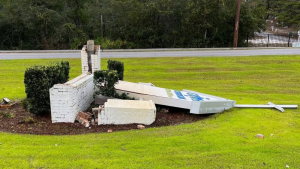


August 18, 2026
Sign installation is the process of preparing a site, mounting a sign in its approved location, completing required electrical connections, and checking the finished installation. For commercial signs, the work may also involve a site survey, engineering, permits, landlord approvals, specialized access equipment, and coordination with the building.
At Vintage Sign & Light, we plan installation around the actual sign, property, mounting surface, electrical conditions, access, and local requirements rather than treating installation as the final step alone.
Quick Summary
- Professional sign installation starts with accurate site information and an installation plan.
- Permanent exterior, illuminated, freestanding, and digital signs can involve mounting, structural, electrical, equipment, and permit requirements.
- Installation time depends on the sign, site conditions, approvals, access, equipment, and electrical readiness.
- Property photos, approved drawings, landlord requirements, site contacts, and access information help us prepare before installation day.
Written by The Vintage Sign & Light Team
At Vintage Sign & Light, we design, manufacture, coordinate engineering and permitting, install, repair, and maintain commercial signage throughout Northwest Florida and the Emerald Coast. We are a veteran-owned, family-operated, state-certified electrical sign contractor with more than 50 years of signage expertise.
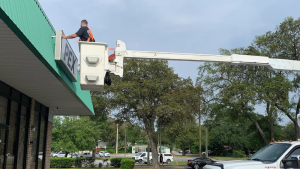
What Is Sign Installation?
Sign installation is the field work required to place and secure signage at its intended location according to the approved project requirements.
The work can range from mounting dimensional letters inside a lobby to installing illuminated channel letters high on a building or placing a freestanding monument or pylon structure. Different signs require different mounting methods, equipment, electrical coordination, and site preparation.
Our professional sign installation work includes channel letters, monument and pylon signs, digital displays, architectural signage, interior signs, and other commercial sign systems.
Installation is also connected to decisions made earlier in the project. A mounting detail, electrical requirement, foundation condition, or access limitation can affect design, engineering, manufacturing, and the installation plan.
What Happens Before a Sign Is Installed?
Before installation day, we need to confirm that the sign, property, approvals, and site conditions are ready for the planned work.
Site Survey and Field Information
A commercial sign site survey may document measurements, photographs, mounting surfaces, existing signs, electrical information, equipment access, obstructions, and other field conditions.
Accurate site information helps us avoid planning an installation around assumptions that do not match the property.
For example, a channel letter drawing may look correct on a rendering, but the actual façade could include architectural projections, limited electrical access, or a mounting surface that changes the installation approach.
Drawings and Engineering
Some projects require structural or electrical engineering before fabrication or installation can move forward.
Our sign engineering coordination can address mounting systems, foundations, structural loads, electrical requirements, sign weight, wind exposure, and supporting documentation when those items apply to the project. Requirements depend on the sign, location, structure, and jurisdiction.
Landlord and Property Requirements
If you lease the property, the landlord or property manager may have sign criteria that affect installation.
Those requirements can address placement, sign dimensions, illumination, approved sign types, mounting methods, colors, or the approval process. We recommend resolving those conditions before manufacturing and installation are scheduled.
Permits and Local Approvals
Permit requirements vary by location and project. We do not assume that one city or county follows the same process as another.
The Florida Building Code provides statewide building-code resources, while municipalities and counties also administer local development, zoning, and permit requirements.
For example, the City of Destin’s current Land Development information identifies erection of a permanent sign as development unless it is expressly exempted. That is one reason we check the requirements for the specific property instead of relying on a general Florida rule.
Electrical Planning
Illuminated signs and digital displays add another layer of coordination.
Before installation, we may need to confirm available power, wiring routes, access points, and how the sign will connect to the property’s electrical system.
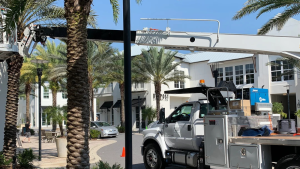
How Does Professional Sign Installation Work?
Our installation process follows the approved sign design and the actual conditions at the property. The exact sequence varies, but most commercial projects move through these stages.
1. Confirm the Site and Installation Plan
We review the installation location, sign specifications, mounting approach, access, electrical needs, required equipment, and known site restrictions.
If field conditions have changed since the original survey, those changes may need to be addressed before work begins.
2. Confirm Final Project Requirements
We make sure the installation team is working from the correct approved drawings and project scope.
Depending on the project, this can include dimensions, mounting details, engineering documents, landlord approvals, electrical information, removal requirements, and site-access instructions.
3. Confirm Required Permits and Approvals
Before installation, we confirm that required project approvals are in place. Our project management process can coordinate permit tracking, engineering information, scheduling, electrical coordination, and completion documentation when those services are part of the project.
4. Prepare the Sign and Installation Equipment
Before the crew arrives, we plan for the sign components, mounting hardware, access equipment, electrical work, and site conditions involved.
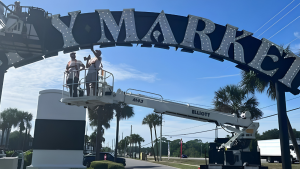
Depending on the project, installation may require ladders, aerial lifts, bucket trucks, cranes, drilling and mounting equipment, electrical testing tools, or other specialized equipment.
5. Mount and Align the Sign
The mounting method depends on what is being installed and what supports it.
A wall-mounted channel letter system, for example, has different attachment requirements from a monument sign or pylon sign. Freestanding signs may also involve foundations, support structures, excavation, and lifting equipment.
During installation, we also check placement and alignment against the approved project requirements.

6. Complete Electrical Connections When Required
Illuminated signs and Watchfire digital displays require appropriate electrical coordination.
The exact work depends on the sign system, property, existing power, and approved electrical scope. Once connected, illuminated components can be checked for operation as part of completing the installation.
7. Complete Final Checks and Documentation
Before the project is closed out, we review the finished installation based on the approved scope.
That may include checking visible alignment, attachment, illumination, sign condition, completed electrical work, cleanup, required photographs, and applicable inspection or completion documentation.
Which Types of Signs Typically Need Professional Installation?
Permanent commercial signs are more likely to need professional installation when their size, weight, height, electrical requirements, foundation, or mounting conditions add complexity.
Examples include:
- Channel letter signs
- Building-mounted sign cabinets
- Architectural and dimensional letters
- Monument signs
- Pylon signs
- Illuminated signs
- Digital displays
- Larger interior signs and branded installations
- Replacement signs that reuse an existing structure
Not every project involves the same level of work. A lobby logo mounted at accessible height may have a very different installation plan from an illuminated sign several stories above grade.
How Does Indoor Sign Installation Differ From Outdoor Installation?
Indoor and outdoor installations can both require careful planning, but the conditions we evaluate are different.
| Consideration | Indoor Installation | Outdoor Installation |
| Mounting surface | Drywall, masonry, glass, panels, architectural finishes | Masonry, metal panels, stucco, structural walls, freestanding supports |
| Access | Interior work areas, ladders, lifts where needed | Lifts, bucket trucks, cranes, parking or traffic access |
| Weather exposure | Usually limited | Wind, rain, sun, corrosion and exterior exposure |
| Electrical needs | Depends on sign type | Common with illuminated building signs and digital displays |
| Permitting | Depends on scope and jurisdiction | More likely to involve zoning, building, structural or electrical review |
| Site coordination | Tenants, furniture, public areas | Parking, traffic, landscaping, utilities, building access |
The installation plan should match the actual location instead of treating “indoor” or “outdoor” as a complete specification.
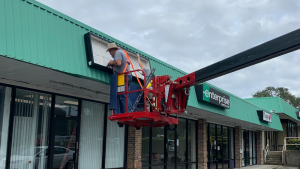
What Equipment May Be Needed for Commercial Sign Installation?
The equipment depends on the sign’s height, weight, location, mounting method, and site access.
We may plan around:
- Aerial lifts or bucket trucks
- Cranes when required
- Ladders or other approved access equipment
- Anchoring and mounting tools
- Electrical and testing equipment
- Work-zone and safety equipment
This is one reason a site survey matters. A sign that is physically easy to mount may still present an access problem if a lift cannot reach the façade or if the work area cannot be positioned safely.
The Occupational Safety and Health Administration identifies falls, falling objects, tip-overs, structural failures, and electrical contact among the hazards associated with aerial lifts. OSHA also states that aerial lifts should be operated by trained and authorized workers. OSHA’s aerial-lift guidance explains those workplace safety considerations in more detail.
Do Business Signs Require Permits Before Installation?
Some do, but permit requirements depend on the sign and jurisdiction.
Permanent exterior signs, structural sign systems, illuminated signs, and projects involving electrical or building work may require review or permits. Temporary or minor installations may be treated differently depending on local rules.
Because Northwest Florida includes multiple cities and counties, we verify the project location instead of applying one blanket answer across the Florida Panhandle.
Engineering and permitting are also separate considerations. Engineering documents may support a permit application, while the permitting authority decides whether the proposed work satisfies applicable requirements.
How Long Does Sign Installation Take?
There is no reliable universal installation time because the work depends on the specific sign and site.
Factors that can affect the schedule include:
- Sign type and dimensions
- Installation height
- Mounting system
- Foundation or structural work
- Electrical scope
- Number of signs
- Lift or crane requirements
- Site accessibility
- Existing-sign removal
- Weather
- Required inspections
A straightforward installation at an accessible site and a complex freestanding sign project should not be expected to follow the same schedule.
We can give a more useful timeline after the project scope, property conditions, approvals, and installation requirements are known.
What Can Delay a Sign Installation?
Installation can be delayed when an important dependency is incomplete or when field conditions differ from the plan.
Common examples include permit or landlord approvals still being reviewed, electrical service not being ready, changed building conditions, limited equipment access, severe weather, engineering revisions, or late changes to approved sign specifications.
For example, if a finished illuminated sign reaches the site but the planned power connection is unavailable, mounting the sign does not necessarily mean the project can be completed that day.
Confirming these details earlier helps us plan around avoidable delays.
What Affects Commercial Sign Installation Cost?
Installation cost depends on the work required at the property, not only the sign itself.
Important factors can include sign size and weight, mounting height, equipment requirements, electrical work, structural or foundation requirements, permitting, sign removal, accessibility, travel, and the number of installation locations. Vintage provides project-specific pricing after reviewing the sign and site requirements rather than relying on a generic installation rate.
Can You Install a Business Sign Yourself?
Some simple, lightweight, non-electrical signs or graphics may be suitable for straightforward installation, but permanent commercial signs can involve conditions that make DIY work inappropriate.
Height, heavy components, structural attachment, electrical work, foundations, permits, and specialized equipment can all change the risk and required expertise.
We would not treat a small temporary banner and an illuminated channel letter sign as the same type of project. When installation involves permanent structural attachment, electrical systems, elevated work, or permit requirements, confirm what the jurisdiction and project require before proceeding.
What Should You Prepare Before Installation?
You can make installation planning easier by gathering the property and project information before the work is scheduled.
When available, provide:
- Property address
- Approved sign drawings or artwork
- Storefront or site photographs
- Landlord or property approval
- Tenant sign criteria
- Site contact information
- Existing-sign information
- Known electrical information
- Installation and loading-area access
- Parking or equipment restrictions
- Existing-sign removal requirements
- Desired opening or completion date
- Any known site changes since the survey
You do not need to solve every installation detail yourself. The goal is to give us enough accurate information to identify what still needs to be confirmed.
Frequently Asked Questions About Sign Installation Services
Does Every Business Sign Require a Permit?
No. Permit requirements vary by jurisdiction, sign type, size, location, mounting method, and electrical or structural scope. We check the applicable requirements for the specific property rather than assuming every business sign follows the same process.
Does Illuminated Sign Installation Require Electrical Work?
Yes, an internally illuminated sign needs an appropriate electrical connection, but the exact scope depends on the sign and property. We review available power, wiring, electrical components, access, and applicable project requirements before the installation is completed.
Can a Sign Be Installed on Any Building Surface?
Not automatically. The wall construction, sign weight, mounting system, attachment points, building condition, and applicable engineering requirements need to support the proposed installation.
What Can Delay Sign Installation?
Permits, landlord approvals, weather, equipment access, electrical readiness, engineering changes, unexpected site conditions, or changes to the approved scope can delay installation. Confirming property information and approvals before scheduling helps reduce avoidable disruptions.
Expert Tip
Before installation day, take a current wide photo of the sign area and the path installation equipment will use to reach it. A newly added awning, parked equipment, landscaping, construction fencing, or other site change can affect access even when the sign location itself has not changed.
Prepare the Site Before Installation Day
Professional sign installation works best when the sign, property, approvals, mounting conditions, electrical requirements, and site access have been coordinated before the crew arrives.
At Vintage Sign & Light, we use field information and project requirements to plan commercial installations throughout Northwest Florida and the Emerald Coast. Our goal is to connect the approved sign design with the real conditions at the property.
If you are preparing a new sign installation or replacing existing signage, send us your property address, photos, sign information, and project requirements to request budget pricing.
Now that you understand how installation works, review our commercial sign installation service to see the sign types we install and the information we use to plan a project.