

Last updated: August 17, 2026
Storefront signs identify your business and help customers recognize the right location from the street, parking lot, or sidewalk. The right sign type depends on how people approach your property, how far away they need to read it, whether nighttime visibility matters, your building and brand, and what your landlord and local sign code allow.
At Vintage Sign & Light, we recommend choosing storefront signage around the actual property rather than selecting a sign based on appearance alone.
Quick Summary
- Storefront signs can include channel letters, dimensional letters, illuminated cabinets, window graphics, and other building-mounted signage.
- The right sign depends on viewing distance, traffic direction, lighting, available space, branding, and building conditions.
- Sign type, dimensions, materials, illumination, mounting, engineering, permitting, and installation conditions can all affect project cost.
- Before production, review landlord requirements and local sign rules so the design fits what the property and jurisdiction allow.
Written by the Vintage Sign & Team
At Vintage Sign & Light, we design, manufacture, coordinate permitting for, install, repair, and maintain commercial signs. We serve businesses throughout Northwest Florida and the Emerald Coast, with capabilities that include channel letters, architectural letters, illuminated cabinets, monument and pylon signs, digital displays, and other custom commercial signage. Vintage Sign & Light is a veteran-owned, family-operated, state-certified contractor with more than 50 years of signage expertise.

What Is a Storefront Sign?
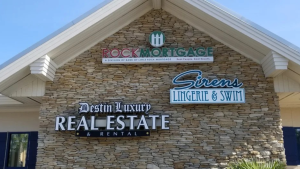
A storefront sign is exterior business signage that identifies a store, restaurant, office, service business, or other commercial location. It often displays the business name, logo, or both and is positioned where customers can identify the business as they approach.
Storefront signage is not limited to one sign type. A business on a busy street may need illuminated letters that can be read from moving traffic, while a shop in a pedestrian-oriented area may rely more heavily on building signage and window decals.
Supporting graphics such as vinyl window graphics or banners can communicate hours, promotions, services, or daily specials. However, we generally treat those elements as supporting signage rather than substitutes for a well-planned permanent identification sign.
What Types of Storefront Signs Should You Consider?
We recommend comparing sign types by what the sign needs to accomplish at your specific location.
| Sign Type | Often a Good Fit For | Lighting | Main Consideration |
| Channel letters | Retail, restaurants, offices, commercial storefronts | Illuminated or non-illuminated | Viewing distance, mounting, electrical access |
| Architectural or dimensional letters | Professional offices, retail, hospitality, branded entrances | Typically non-illuminated | Materials, finish, contrast, building design |
| Illuminated cabinet signs | Businesses needing a contained illuminated display | Internal illumination | Available sign area, artwork, mounting |
| Window graphics | Supplemental branding, hours, services, promotions | None | Glass area, readability, local or landlord rules |
| Monument or pylon signs | Properties set back from the street or multi-tenant sites | Varies | Road visibility, property layout, engineering |
Channel Letter Signs
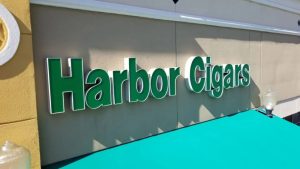
Channel letter signs use individually fabricated letters, numbers, or logo shapes with physical depth. They can use front lighting, halo lighting, combined lighting, or no internal illumination, depending on the design and project requirements.
We often consider channel letters when the business needs a strong building-mounted identity that remains clear during the day and can also be illuminated after dark.
Architectural and Dimensional Letters
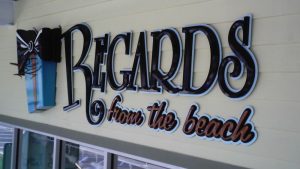
Architectural letters create a dimensional appearance without depending on internal illumination. Vintage works with materials and finishes that can include aluminum, stainless steel, acrylic, specialty finishes, and other options appropriate to the approved design.
These signs can work particularly well when the architecture and brand call for a clean, refined appearance and existing lighting already provides enough nighttime visibility.
Illuminated Cabinet Signs
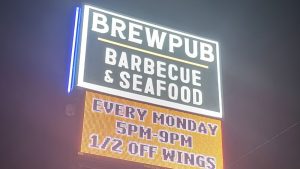
An illuminated cabinet combines a fabricated enclosure, sign face, graphics, lighting, electrical components, and mounting hardware. We may recommend this sign type when the logo or artwork works better as a complete display rather than a collection of individual letters.
The available wall area, sign proportions, electrical access, mounting surface, and local requirements all need to be considered before production.
Window Graphics and Decals
Window graphics can add branding or useful information without competing with your primary building sign. A storefront window may display business hours, a logo, services, entrance information, or a temporary promotion.
The design still needs restraint. Filling every section of glass with text can reduce clarity, especially when customers are trying to understand the storefront quickly.

When a Freestanding Sign May Help
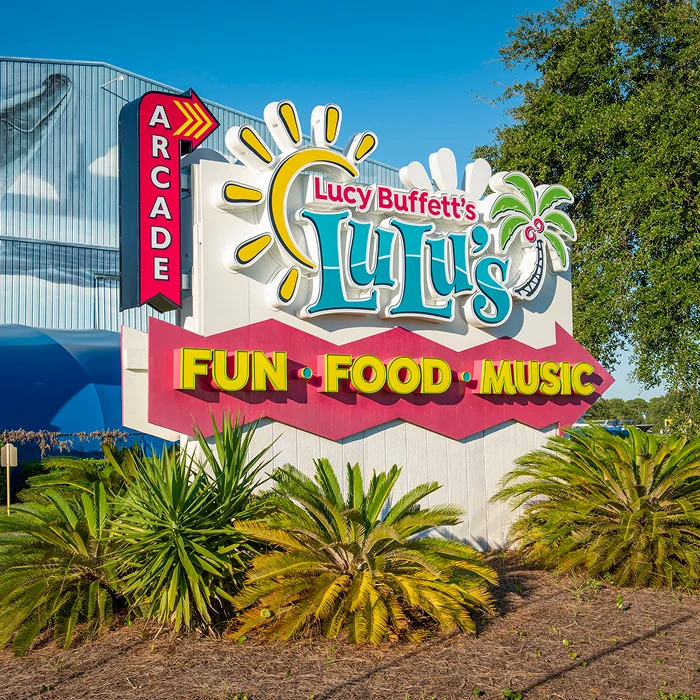
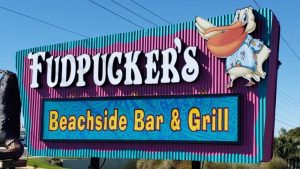
Not every visibility problem can be solved on the storefront itself. If your building sits well back from the road, behind parking, or within a larger commercial property, a monument or other property sign may help customers identify the site before they reach the building.
For multi-tenant properties, storefront signage may also need to work alongside tenant panels, directional signs, and shared property identification. Vintage works with retail and multi-tenant properties throughout Northwest Florida.
How Do We Choose the Right Storefront Sign?
We start with the site. A sign can have bold designs, attractive materials, and professional artwork but still struggle if it faces the wrong direction or is difficult to read from where customers actually see it.
1. Look at How Customers Approach the Building
Stand where your customers first encounter the property.
Do most people arrive from the road, parking lot, or sidewalk? Do they see the storefront straight ahead, or do they approach from an angle?
For example, a sign facing directly toward a parking lot may work well for arriving drivers. A storefront seen primarily from traffic traveling parallel to the building may need a different placement strategy.
Our guide to choosing sign placement for a building explains how traffic direction, sightlines, viewing distance, obstructions, and customer movement can affect placement.
2. Consider Viewing Distance and Traffic Conditions
A storefront sign should be designed for the distance at which customers need to recognize it.
Signs viewed from moving traffic generally need a simpler layout and stronger visual hierarchy than signs viewed by someone standing near an entrance. Fonts, letter spacing, contrast, logo complexity, surrounding signage, and available space can all affect readability.
Instead of making every element larger, we focus first on what customers actually need to recognize: usually the business name or logo.
3. Decide Whether Visibility After Dark Matters
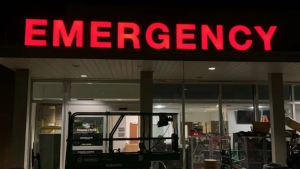
If customers regularly visit after sunset, illumination should be considered early in the project.
Channel letters and illuminated cabinets can provide their own lighting, while dimensional letters may depend on existing architectural or exterior lighting. We also consider how the sign will look both illuminated and unilluminated, rather than evaluating only the daytime artwork.
4. Match the Sign to the Building and Brand
The right sign should fit both your logo and the physical space available.
We review façade size, mounting surfaces, architectural features, entrances, existing lighting, electrical access, neighboring signs, and available sign area. A wide horizontal logo, for example, may need a different treatment than a compact logo on a narrow storefront.
Materials also matter. Vintage’s manufacturing capabilities include aluminum and steel fabrication, acrylic or polycarbonate faces, dimensional letters, vinyl graphics, finishes, lighting components, and mounting hardware.
5. Review Landlord or Property Requirements
If you lease your storefront, review your lease and the property’s sign criteria before committing to a design.
Shopping centers and commercial properties may control sign size, placement, illumination, colors, mounting, or materials. Landlord approval and municipal approval are separate issues; permission from a property owner does not automatically make a proposed sign compliant with local code.
Landlord approval and municipal approval are separate steps. Even when a property owner approves a proposed sign, the project may still need to meet applicable local sign, building, and permitting requirements.
6. Check Local Sign and Permit Requirements
We recommend reviewing permitting before the design is finalized, not after the sign is ready for production.
Requirements can vary by city, county, zoning district, sign type, size, location, illumination, and mounting method. Because local sign regulations can change, we recommend checking the current requirements for the specific jurisdiction before finalizing a design.
For projects within Destin, review the City of Destin Land Development Code and current Building and Permitting information for the latest requirements that may apply to the project.
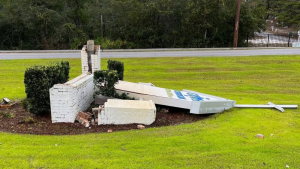
Structural requirements can also vary by location. Florida’s building requirements account for factors such as wind conditions, so the structural and mounting requirements for a sign should be reviewed for the specific property rather than assumed. The Florida Building Commission publishes wind information by county for reference.
7. Think About Maintenance and Future Changes
Your sign may eventually need cleaning, lighting service, new graphics, replacement components, or a branding update.
If you are moving into a space with an existing cabinet or structure, we also recommend evaluating what is already there before assuming everything must be replaced.
Can an Existing Storefront Sign Be Reused or Refaced?
Sometimes. An existing cabinet, structure, foundation, or mounting system may still be usable, but its condition and compatibility with the new design need to be reviewed first.
Our sign improvement services can include new sign faces, updated logos, refreshed graphics, lighting upgrades, cabinet modifications, new finishes, and other targeted changes. We evaluate which components may be reused and which should be replaced rather than assuming that a full replacement is always necessary.
For example, a business taking over a former tenant’s space may be able to reuse part of an existing cabinet. A new logo, different proportions, electrical condition, structural issue, or current code requirement could also make a larger modification necessary.
What Affects the Cost of a Storefront Sign?
There is no useful single price for storefront signs because the scope can vary considerably from one property to another.
We determine budget pricing after reviewing the actual project. Important factors can include:
- Sign type
- Overall dimensions
- Number and size of letters or logo elements
- Materials and finishes
- Illumination
- Mounting method
- Electrical requirements
- Building and mounting conditions
- Site and equipment access
- Engineering requirements
- Permitting
- Installation conditions
- Quantity
- Removal or modification of existing signage
Two signs that look similar in a rendering can require different structures, mounting components, electrical work, access equipment, or engineering once we evaluate the site. Vintage’s manufacturing process therefore reviews dimensions, materials, lighting, location, mounting, engineering, and installation requirements before fabrication.
What Should You Send Us to Get a Storefront Sign Quote?
The more useful site information we have, the easier it is to evaluate the project around the real building.
When possible, send us:
- Your business name
- Property or job address
- Clear photos of the storefront
- Your logo or production-ready artwork, if available
- Any landlord sign criteria
- Photos of existing signage that may be removed or reused
- Your preferred sign type, if you already have an idea
- Whether illumination is important
- Installation requirements you already know
- Your target completion date
- Any special site or access considerations
You do not need to know every material, sign type, or production detail before contacting us. Our request-a-quote form asks for the job address, installation needs, artwork status, completion date, files, and project details so we can start reviewing the scope.
What Happens After You Choose a Direction?
We move from the initial idea toward a sign that fits the building and approved project requirements.
1. Site and Project Review
We review the property, proposed sign location, branding, visibility goals, dimensions, mounting conditions, lighting, and installation needs.
2. Design and Approval
We develop the sign around the approved logo, materials, size, colors, lighting, and building conditions. Property-management or landlord approval may also be needed.
3. Engineering and Permitting
When required, structural, electrical, wind-load, foundation, mounting, or permit documents are coordinated before fabrication.
4. Manufacturing and Installation
After the necessary approvals, the sign moves into fabrication and then installation planning. Equipment access, electrical work, mounting conditions, property operations, and the approved schedule can all affect the final installation plan.
Frequently Asked Questions About Storefront Signs
Does My Landlord Need to Approve My Storefront Sign?
If you lease the property, your lease or property sign criteria may require landlord or property-management approval. We recommend reviewing those requirements early because they may affect dimensions, placement, lighting, colors, materials, or mounting.
Do I Need a Permit for a Storefront Sign in Florida?
Permit requirements depend on the jurisdiction and the proposed sign. We review the applicable local requirements for the project rather than assuming the same rules apply throughout Northwest Florida.
Should I Choose an Illuminated or Non-Illuminated Sign?
Choose based on when customers need to see the business, existing site lighting, your brand, the building, and local requirements. If nighttime identification is important, we can evaluate illuminated options such as channel letters or sign cabinets.
How Large Should My Storefront Sign Be?
There is no single ideal size. We consider available façade space, viewing distance, traffic direction, logo proportions, surrounding visual conditions, property criteria, and local sign limits before determining an appropriate scale.
Can I Reuse the Sign Left by the Previous Tenant?
Potentially. We first need to evaluate the existing cabinet, structure, mounting, electrical components, condition, dimensions, and compatibility with your branding before deciding whether refacing, improvement, or full replacement makes more sense.
Expert Tip
Take storefront photos from the road or parking area where customers first see the business, not only from directly in front of the entrance. Those wider views give us better information about viewing angle, surrounding signs, obstructions, available space, and how the storefront fits into the overall property.
Choose a Storefront Sign for the Property You Actually Have
The right storefront sign is not simply the largest, brightest, or most elaborate option. We recommend choosing the sign that fits how customers approach your location, remains clear at the necessary viewing distance, works with your building and brand, and satisfies the project’s property and local requirements.
If you are planning new storefront signage in Northwest Florida or along the Emerald Coast, send Vintage Sign & Light your project details for budget pricing. Include your property address, logo or artwork, storefront photos, and any landlord requirements you already have, and we can help you determine the next step. Now that you know how to compare storefront signs, review our guide to choosing the best sign placement for your building before finalizing where your sign should go.