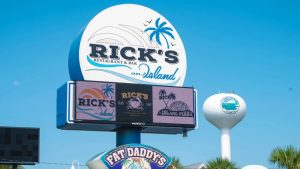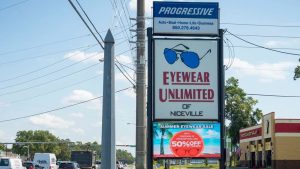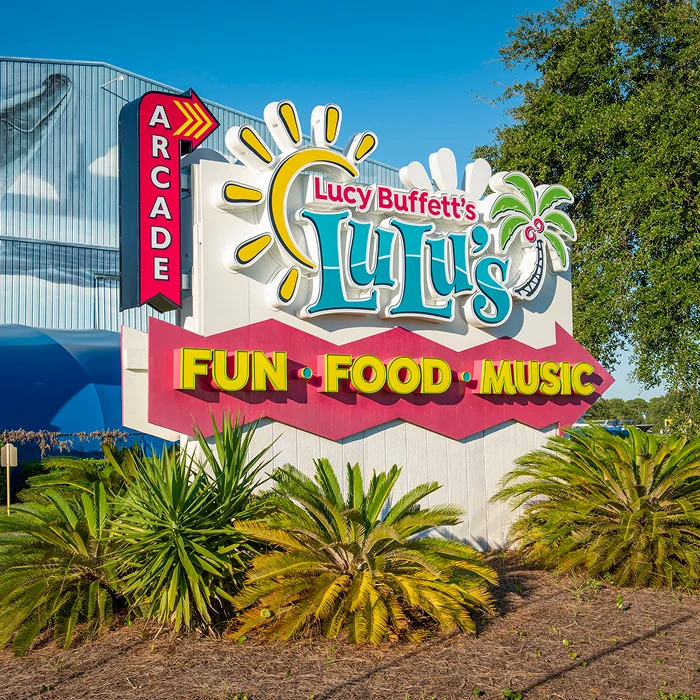


Business monument signs are freestanding identification signs placed near entrances, roadways, and commercial properties. These monument signs help businesses improve visibility, strengthen brand identity, and guide visitors to the correct location. Whether serving shopping centers, corporate offices, churches, apartment complexes, or business parks, a custom monument can create a strong first impression while supporting long-term brand recognition.
Quick Summary
- Business monument signs improve visibility and help customers find your property more easily.
- Custom monument signs come in many materials, including brick, stone, concrete, metal, and high-density urethane.
- Illuminated monument signage remains visible after dark and during poor weather conditions.
- A professionally designed monument sign supports brand identity and creates a professional image.
Written by The Vintage Multimedia Team
Vintage Sign & Light is a veteran-owned, family-operated sign company backed by more than 50 years of signage expertise. Our team designs, manufactures, installs, repairs, and maintains custom signage for commercial properties, shopping centers, churches, residential communities, and corporate facilities.
Our team has completed monument sign projects for commercial property owners, shopping centers, churches, residential community developments, and corporate offices. Through years of hands-on experience, we understand how proper installation, site conditions, surrounding architecture, and material selection affect long-term performance.
What Are Business Monument Signs?
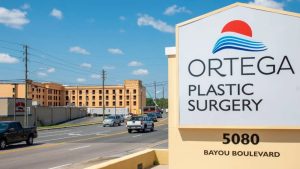
Business monument signs are free-standing signs built at ground level to identify a business, organization, or property. Unlike pylon signs, which rise high above the ground, monument signs maintain a lower profile while providing excellent visibility at entrances and roadways.
Many businesses choose monument signage because it blends naturally with landscaping and architecture. A custom monument can incorporate dimensional letters, raised lettering, company logos, and specialty materials that reinforce a brand’s appearance.
How Monument Signs Differ from Other Sign Types
Several forms of outdoor signs help businesses attract attention. However, monument signs for business locations focus on identification and wayfinding rather than long-distance advertising.
Pylon signs often serve properties near highways or major roads. Monument signs work best when customers need to identify specific entrances, parking areas, or buildings within a property.
Common Locations for Monument Signs
Monument signs frequently appear at:
- Shopping centers
- Business parks
- Corporate offices
- Apartment complexes
- Churches
- Schools
- Medical facilities
Each location benefits from improved visibility and easier navigation for visitors.
Why Are Monument Signs Important for Businesses?
A monument sign is often the first thing customers notice when they approach a property. Quality monument signage helps create trust, improve visibility, and shape how people view the business before they enter.
Creating a Strong First Impression
The appearance of your sign reflects your brand. A custom monument built with quality materials can show professionalism, reliability, and attention to detail.
Supporting Brand Recognition
Consistent brand colors, logos, and letters help customers remember your business. Over time, monument signs become part of your overall marketing and brand presence.
What Does the Research Say About Monument Sign Effectiveness?
A well-designed monument sign can influence customer behavior. According to the International Sign Association, 76% of consumers have entered a business they had never visited before because of its signage. Research from FedEx Office also found that 68% of consumers believe signage reflects the quality of a company’s products or services.
Types of Business Monument Signs
Several monument sign styles are available depending on your goals, budget, and property requirements. Understanding the differences can help you select the best option.
Stone Monument Signs
Stone monument signs offer a timeless appearance and exceptional durability. Natural stone works well for corporate offices, residential community entrances, and professional developments.
Many property owners choose stone because it delivers a premium look while remaining weather-resistant.
Brick Monument Signs
Brick monument signs complement many traditional buildings. They are commonly used at churches, schools, apartment complexes, and business parks.
Traditional masonry construction creates a long-lasting structure that blends naturally with existing architecture.
Concrete Monument Signs
Concrete monument signs provide excellent durability and design flexibility. Concrete can support dimensional letters, custom logos, and decorative finishes.
Many commercial property owners select concrete because it balances cost, strength, and appearance.
Faux Stone Monument Signs
Faux stone monument signs provide the appearance of natural stone without the same weight and expense. Modern faux stone products can closely resemble authentic stone textures. This option allows businesses to achieve an upscale appearance while controlling project costs.
High-Density Urethane Monument Signs
High-density urethane, often called HDU, has become a popular material for custom monument signs. It offers excellent design flexibility and weather resistance.
Because high-density urethane can be carved and shaped easily, it works well for custom monument projects requiring unique branding elements.
Metal Monument Signs
Metal monument signs deliver a more modern look. Aluminum, steel, and other metal materials create clean lines that fit contemporary architecture.
Many businesses combine metal with stone, brick, or concrete to create architectural signage that stands out.
Illuminated vs Non-Illuminated Monument Signs
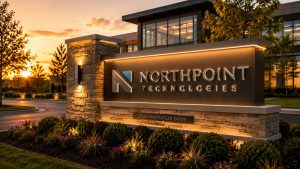
Lighting plays a crucial role in sign visibility. Some businesses only need daytime visibility, while others require around-the-clock exposure.
The table below compares both options.
| Feature | Illuminated Monument Signs | Non-Illuminated Monument Signs |
| Night Visibility | Excellent | Limited |
| Maintenance | Moderate | Lower |
| Initial Cost | Higher | Lower |
| Customer Visibility | Day and Night | Primarily Daytime |
| Common Applications | Retail, Hotels, Medical Offices | Schools, Churches, Offices |
LED Lighting Benefits
LED lighting has become the preferred choice for illuminated monument signs. It provides energy efficiency, consistent brightness, and long service life.
Businesses operating during evening hours often benefit from LED lighting because it keeps the sign visible long after sunset.
When Non-Illuminated Signs Make Sense
Some properties do not require nighttime visibility. In these situations, non-illuminated monument signs can still deliver excellent performance while reducing maintenance requirements.
Schools, churches, and certain corporate offices often select this option based on operating hours.
How Business Monument Signs Influence Customer Decisions
Business owners sometimes focus only on the practical function of a sign. However, monument signs influence customer behavior in several important ways. Visibility, design quality, and placement can shape perceptions before visitors enter the building.
Improving Wayfinding
Customers become frustrated when they cannot find a business. Monument signs help guide visitors to entrances, parking lots, and service areas. Clear wayfinding reduces confusion and improves the customer experience.
Increasing Property Appeal
A custom monument can enhance the overall appearance of a commercial property. Well-designed signage creates a more polished environment that attracts attention from passing traffic. This improved appearance can benefit shopping centers, apartment complexes, and business parks alike.
Building Confidence
People often judge a business by its exterior presentation. A professionally built monument sign communicates stability and professionalism. That confidence can encourage customers to engage with the company and learn more about its services.
How Much Do Business Monument Signs Cost?
The cost of business monument signs varies from one project to another. Several factors affect pricing, including the size of the monument, the materials selected, site conditions, lighting requirements, and installation complexity.
A custom monument designed for a large commercial property will typically require more engineering and construction than a smaller sign for a local business. Because every site is different, working with an experienced monument sign company helps establish realistic expectations.
Factors That Affect Cost
| Cost Factor | Impact on Project |
| Materials | Stone, brick, concrete, metal, and high-density urethane vary in cost |
| Lighting | LED lighting and digital displays increase investment |
| Foundation | Soil conditions and ground preparation affect construction |
| Design Complexity | Custom logos, dimensional letters, and specialty finishes add cost |
| Permits | Local regulations and approvals vary by municipality |
| Installation | Access, equipment, and site requirements affect labor |
Why Quality Matters
Choosing lower-quality materials may reduce upfront expenses. However, quality monument signage often delivers better long-term performance and lower maintenance costs.
Weather-resistant materials help protect the sign from sun exposure, moisture, wind, and changing temperatures. As a result, businesses spend less on repairs and replacements over time.
Monument Signs vs Pylon Signs
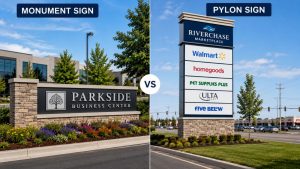
Both monument signs and pylon signs serve important purposes. The right option depends on your property, traffic patterns, and visibility goals.
Monument signs provide a professional appearance near entrances, while pylon signs focus on long-distance visibility.
| Feature | Monument Signs | Pylon Signs |
| Height | Low profile | Tall structure |
| Visibility Distance | Short to medium range | Long range |
| Appearance | Architectural and professional | Advertising focused |
| Common Locations | Corporate offices, churches, business parks | Highways, shopping centers |
| Integration | Blends with architecture | Stands above surrounding structures |
When Monument Signs Work Best
Properties with lower-speed traffic often benefit from monument signs. Visitors can easily read the logo, letters, and directional information as they approach.
Corporate offices, churches, apartment complexes, and professional developments commonly choose monument signs for this reason.
When Pylon Signs Are Better
Businesses located near highways or major intersections may benefit from pylon signs. Their height makes them visible from greater distances. Shopping centers often use both monument signs and pylon signs together to maximize visibility.
How to Design Effective Monument Signs for Business
Successful monument signs combine branding, readability, and durability. Every design choice should support visibility and communication. An attractive sign may draw attention, but customers must also understand the message quickly.
Prioritize Readability
Large letters improve visibility from the road. Clean fonts and strong color contrast help drivers recognize information faster. Avoid overcrowding the design. Too much information can reduce effectiveness.
Match the Brand Identity
The monument should reflect your brand identity. Brand colors, logos, dimensional letters, and finishes should align with existing marketing materials. Consistency helps strengthen brand recognition across every customer touchpoint.
Consider the Surrounding Architecture
Architectural signage works best when it complements nearby buildings. Materials, colors, and shapes should feel connected to the property. A sign that matches the surrounding architecture often appears more professional and intentional.
The Monument Sign Installation Process
Building monument signs requires careful planning and coordination. Every project follows several important steps. Proper installation affects both appearance and long-term performance.
Site Evaluation and Planning
The process begins with a site survey. During this stage, the team evaluates visibility, traffic flow, site conditions, and local requirements. Height restrictions, utility locations, and setback regulations may influence the final design.
Design and Engineering
Once planning is complete, designers create concepts that align with the client’s goals. Engineering documents help verify structural integrity and code compliance. This stage also determines materials, dimensions, lighting options, and foundation requirements.
Permitting and Approvals
Most permanent monument signs require permits before construction begins. Approval timelines vary by location. Experienced sign professionals help navigate the permitting process and reduce delays.
Fabrication and Construction
After approval, fabrication begins. Skilled technicians build the monument using selected materials such as stone, brick, concrete, faux stone, high-density urethane, or metal. Each component is built according to project specifications.
Installation and Final Inspection
The monument sign installed on site must meet local regulations and safety standards. Contractors prepare the foundation, position the structure, and complete any electrical work. Final inspections help confirm everything is functioning properly before completion.
Where Are Monument Signs Commonly Used?
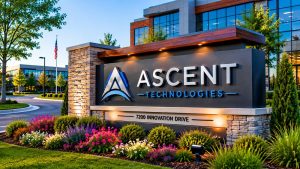
Monument signs serve many industries because they combine functionality with visual appeal. Different properties use monument signage for different purposes.
Commercial Property Developments
Many commercial property owners install monument signs near entrances to identify buildings and improve navigation. Visitors can locate businesses more easily when signage is clear and visible.
Shopping Centers and Business Parks
Shopping centers often use monument signs to showcase tenants and direct traffic. Business parks rely on freestanding signs to identify multiple buildings within a development. These signs help guide visitors efficiently throughout the property.
Residential and Community Properties
Apartment complexes and residential community developments frequently use monument signs at primary entrances. The monument becomes a recognizable landmark for residents and guests.
Churches and Schools
Churches and educational facilities often choose monument signs because they provide visibility without overwhelming the property. The structure can display important information while maintaining a welcoming appearance.
FAQs
How long do monument signs last?
Lifespan depends on materials, climate, and maintenance. Quality monument signs can remain effective for many years.
Do monument signs require permits?
Most municipalities require permits before installing permanent monument signage.
What materials are best for monument signs?
Stone, brick, concrete, metal, faux stone, and high-density urethane are common choices because they offer durability and design flexibility.
Are illuminated monument signs worth it?
Yes. Illuminated monument signs improve visibility during evening hours and poor weather conditions.
Expert Tip
Before investing in a custom monument, evaluate how customers approach your property. Consider traffic patterns, viewing distance, entrances, landscaping, and surrounding buildings.
Many businesses focus only on aesthetics. However, the most effective monument signs balance appearance, visibility, durability, and functionality. A well-designed monument can create a strong first impression, support brand recognition, guide visitors, and strengthen your overall professional image for years to come.