

When you operate a business along the coast, your signage has to do more than attract customers. It has to survive the elements. Salt air, high winds, flying debris, and heavy rain can damage traditional signs in just one season. That’s why choosing reliable installers for hurricane-resistant signage in coastal areas isn’t just smart. It’s essential for safety, compliance, and business continuity.
This guide explains what makes signage hurricane-ready and how to find dependable installers. We will also discuss the materials, standards, and maintenance strategies that keep your sign standing firm through every storm season. You’ll learn how proper design and installation prevent costly damage during severe weather. Plus, we’ll show how professional maintenance ensures your signage remains compliant and visually strong year after year.
Why Hurricane-Resistant Signage Matters for Coastal Businesses
Coastal regions like the Florida Panhandle face unique challenges during hurricane season. High winds, flooding, and debris can destroy ordinary outdoor signage, creating both safety hazards and financial losses. When signs fail, businesses lose visibility right when customers need information most, during recovery.
Investing in weather-resistant signage ensures your business remains visible and protected. Studies from the National Hurricane Center show that sustained winds above 74 mph can send unsecured signage flying, damaging nearby property. Reliable installers design and mount signage systems that meet or exceed local wind-load requirements. This ensures the signs stay secure and intact even during extreme weather conditions. In short, hurricane-resistant signage doesn’t just protect property. It protects your brand’s reputation and customer trust after severe storms.
Qualities of a Reliable Sign Installer
Hiring the right installer determines how well your signage performs during hurricanes. A “reliable” installer isn’t just someone who can hang a sign. They are professionals who understand engineering, permitting, and maintenance in coastal climates.
Before choosing a contractor, evaluate these core traits. Reliable installers typically:
- Hold state or local licenses and follow Florida Building Code standards.
- Have experience installing weather-resistant signage in coastal and high-wind zones.
- Provide complete permitting coordination, ensuring your signage meets all safety codes.
- Offer maintenance and inspection programs before and after hurricane season.
- Are fully insured and can provide references or project portfolios from similar environments.
Choosing an experienced team, like Vintage Sign & Light, ensures long-term reliability and peace of mind. Their expertise in hurricane-rated signage helps protect your investment and keeps your business visible through any storm.
Materials and Engineering Behind Hurricane and Weather-Resistant Signage
A hurricane-ready sign starts with durable materials and engineering that resist wind, moisture, and corrosion. Reliable installers recommend materials designed specifically for extreme weather conditions and UV exposure.
Below are the most common options and how they perform in coastal areas.
| Material | Durability | Wind Resistance | Ideal Use |
| Aluminum | High | Excellent | Channel letters, pole signs |
| High-Density Urethane (HDU) | Medium | Good | Dimensional or routed signs |
| Acrylic | Medium | Fair | Storefront or interior/exterior hybrids |
| PVC or Metal Composite Panels | High | Excellent | Monument and wall signs |
Unlike plywood or corrugated plastic signs that can absorb water or warp, these materials maintain exceptional durability under rain, salt spray, and UV rays. They resist rust, maintain appearance, and ensure reliable performance year-round.
Equally important is how the sign is anchored and engineered. Installers’ design supports to handle wind pressures of 130–150 mph, depending on zone classification. Proper foundation bolts, corrosion-resistant fasteners, and sealed electrical components help prevent storm damage. They also reduce long-term maintenance costs for signage systems.
The Step-by-Step Process of a Storm-Safe Sign Installation
Reliable installers follow a structured, code-compliant process to guarantee safety and strength. Understanding this process helps businesses know what to expect and what distinguishes a professional installation from a risky shortcut.
Request:
The process begins when a client submits a request outlining their signage needs, goals, and preferred timeline. Reliable installers review the details to determine project feasibility and next steps.
Contact
A project manager reaches out to discuss requirements, gather site details, and schedule an initial consultation. This step ensures clear communication and alignment before work begins.
Survey
A technician visits the site to take precise measurements and assess environmental factors such as wind exposure, terrain, and mounting surfaces. Accurate data ensures the final design meets both safety and code standards.
Design
Designers create a visual and structural plan tailored to the client’s brand and location. The design phase includes selecting materials, colors, and lighting while factoring in durability and compliance.
Estimate
The installer provides a detailed quote covering materials, labor, and permitting costs. Transparent pricing helps clients make informed decisions and avoid unexpected expenses later.
Approval
The client reviews and approves the final design, materials, and cost breakdown. This confirmation allows the project to move forward into the permitting and production stages.
Permit
The installer secures necessary local permits to ensure the project meets zoning and building code requirements. This step prevents legal issues and ensures safe, compliant installation.
Production
Fabrication begins, with expert technicians building the signage according to approved specifications. Quality control checks are performed at each stage to guarantee durability and finish.
Delivery/Install
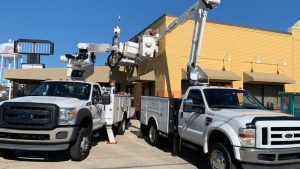
The completed sign is delivered and installed by trained professionals using proper mounting techniques and equipment. The team conducts a final safety inspection to confirm stability, alignment, and functionality.
Each phase plays a role in ensuring that your sign can withstand hurricane-force winds and maintain visibility after the storm.
Maintenance and Inspection: Keeping Signs Storm-Ready Year-Round
Even the strongest signage systems need regular maintenance to stay storm-ready. Salt, humidity, and debris gradually wear down fasteners, wiring, and finishes. Therefore, routine inspections are essential to prevent small issues from becoming costly repairs. Regular care keeps signage looking sharp and functioning safely throughout the year.
A professional maintenance plan, ideally done twice yearly before and after hurricane season, protects your investment. It includes cleaning surfaces, tightening bolts, and inspecting electrical systems and waterproof seals. Businesses that follow this schedule experience fewer storm-related failures and faster recovery after severe weather.
Compliance and Safety Standards You Shouldn’t Overlook
Every coastal sign installation must meet strict building and safety codes. Reliable installers stay current with these requirements to prevent costly violations and ensure public safety.
Key standards include:
- Florida Building Code (FBC) Chapter 16, which sets wind-load and anchoring specifications for outdoor signage.
- ASTM E330 testing, which verifies a sign’s ability to resist uniform wind pressure.
- UL certification for electrical and illuminated signage components.
Failing to follow these standards can result in fines or forced removal. It can also increase the risk of debris-related injuries during hurricanes. Reputable installers provide documentation proving compliance so you can operate with confidence.

Choosing a Trusted Partner for Coastal Signage Installation
Finding the right signage partner makes all the difference between a sign that survives one storm and a sign that lasts for decades. Look for a company that combines engineering knowledge, reliable performance, and hands-on experience with coastal projects.
At Vintage Sign & Light, our experienced team has served Florida businesses for over 40 years. We provide design, fabrication, installation, and maintenance services for hurricane-resistant signage systems that combine safety, visual appeal, and durability. From permitting coordination to post-storm inspections, we manage every stage to protect your investment.
Areas We Serve In Walton County, Florida
At Vintage Sign & Light, we proudly serve the following areas:
- Alys Beach
- Dune Allen Beach
- Grayton Beach
- Inlet Beach
- Miramar Beach
- Rosemary Beach
- Santa Rosa Beach
- Seacrest Beach
- Seagrove Beach
- Seaside
- Watercolor
- Watersound
- 30A
In addition to these areas, we also serve the Emerald Coast regions. If you’re in need of custom signage that speaks to your brand and lasts for years, we’re here to help.
Conclusion
Reliable signage along the Florida coast is more than just a marketing tool. It’s a safeguard for your business. Strong, code-compliant signs protect your investment, ensure public safety, and maintain your brand’s visibility even in harsh weather. Choosing expert installers means your signage will stay secure through every storm season.
At Vintage Sign & Light, we combine veteran-owned expertise with decades of hands-on experience to design, build, and install signage that lasts. Serving businesses across the Emerald Coast, we specialize in hurricane-resistant materials and precise installations that stand the test of time. Contact us today to schedule a consultation and ensure your signage is built to stand strong year after year.
FAQs
What makes signage hurricane-resistant?
Hurricane-resistant signage combines strong materials, reinforced structures, and expert installation techniques that meet wind-load and corrosion standards. These systems are engineered to stay intact under high winds, flying debris, and flood exposure. They ensure reliable performance through severe weather conditions.
What are the best materials for long-term coastal durability?
Aluminum, PVC composite, and HDU are the top choices. They resist rust, absorb minimal moisture, and offer excellent UV resistance. These materials maintain appearance and structural integrity even after years of exposure to harsh coastal weather.
What is the risk assessment for signage installation?
The risk assessment for signage installation involves identifying potential hazards such as falls, electrical exposure, and structural failure during setup or maintenance. It ensures that installers use proper equipment, secure anchoring methods, and safe work zones to minimize accidents.
What are the OSHA requirements for signage?
The OSHA requirements for signage mandate clear labeling, visibility, and compliance with safety standards like 29 CFR 1910.145, which outlines specifications for accident prevention signs and tags. These rules help protect workers and the public by ensuring signs are properly designed, placed, and maintained.